
Edmondia sesamoides
Edmondia sesamoides
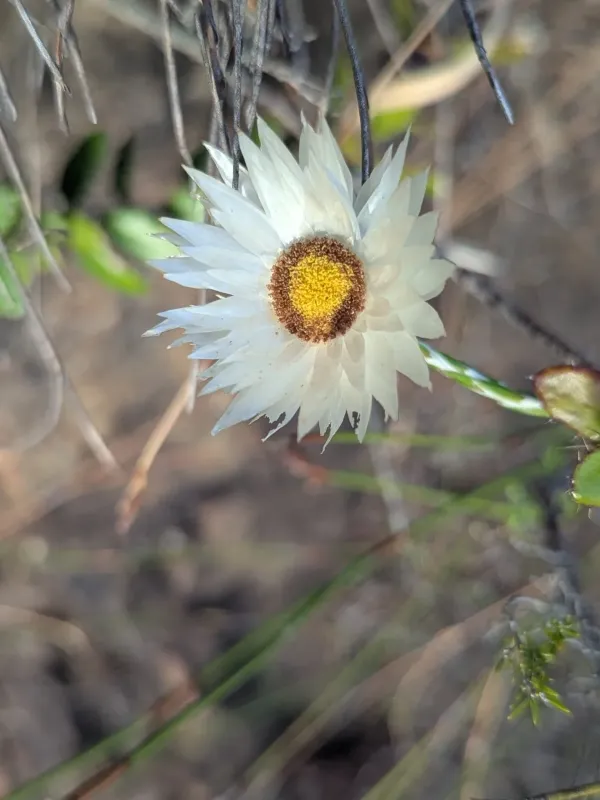
Description
Sowing dates
Edmondia sesamoides is a perennial herbaceous plant belonging to the Asteraceae family. In agricultural and horticultural practices, it is frequently cultivated for the production of everlasting flowers, highly valued in the dried flower industry.
Seeds should be sown indoors in late winter or early spring to ensure a strong start. The seeds are small, so they require a light, well-draining soil mix and should be barely covered with substrate to germinate effectively.
Transplanting seedlings to the field occurs once the danger of frost has passed. The plant thrives in well-lit locations with full sun, which is essential for developing strong, upright stems and high-quality floral heads.
Spacing is critical for this crop. Maintaining a distance of 25–30 centimeters between plants ensures sufficient airflow, which helps prevent the development of moisture-related diseases that can ruin the harvest.
The plant demonstrates good adaptability to various garden environments, provided the basic requirements for drainage and sun exposure are met throughout the growth cycle.
Growing requirements
The ideal soil for Edmondia sesamoides is sandy or sandy-loam with excellent drainage. The species is highly sensitive to waterlogged conditions, which can lead to rapid root decay and plant mortality.
The soil pH should ideally be neutral or slightly acidic. Excessive application of nitrogen fertilizers should be avoided, as it encourages vegetative growth at the expense of floral production and can make the stems weaker.
The plant is drought-tolerant once established, but providing supplemental water during the peak blooming phase will improve the size and quantity of the harvestable flower heads.
Optimal growth occurs at temperatures between 15 and 25 degrees Celsius. While it can handle warmer climates, consistent humidity levels should be kept low to prevent fungal issues.
Full sun is a non-negotiable requirement for this crop. Any shading will cause the plants to etiolate, making them less suitable for commercial use as dried flowers.
Main diseases and pests
Powdery mildew is a primary threat, particularly in regions with high humidity or poor air circulation. Symptoms include white powdery spots on the foliage and stems.
Root rot caused by overwatering or poorly drained soil is the most significant cause of loss. Careful irrigation management is the most effective preventative measure.
Pests like aphids may colonize the young growth. Early detection through regular crop scouting is necessary to control infestations before they affect the quality of the flower heads.
Implementing a crop rotation strategy is highly recommended to prevent the buildup of soil-borne pathogens. Avoid planting Edmondia in areas where other Asteraceae have been grown recently.
Maintaining clear rows and removing weed competition will help keep the plants healthy and vigorous, making them less susceptible to stress-induced pest attacks.
Harvesting
Harvesting is the most crucial stage for Edmondia sesamoides. The flower heads are cut when they are still in the bud stage or just starting to open to ensure they retain their shape during the drying process.
After cutting, the stems are bundled and hung upside down in a dark, dry, and well-ventilated room. Drying away from direct sunlight is essential to preserve the natural pigments of the flowers.
The drying process typically takes two to three weeks. Once fully dried, the flowers remain rigid and can last for several years if stored in a cool, dry place away from humidity.
The product is highly prized by florists for its durability and aesthetic appeal. Small-scale farmers often find this a lucrative niche crop due to the rising demand for natural, long-lasting floral arrangements.
- Use sharp shears for clean cuts to prevent stem damage.
- Bundle sizes should be small to ensure even airflow.
- Sort flowers by head size immediately after drying for better packaging.