
Delilia biflora
Delilia biflora
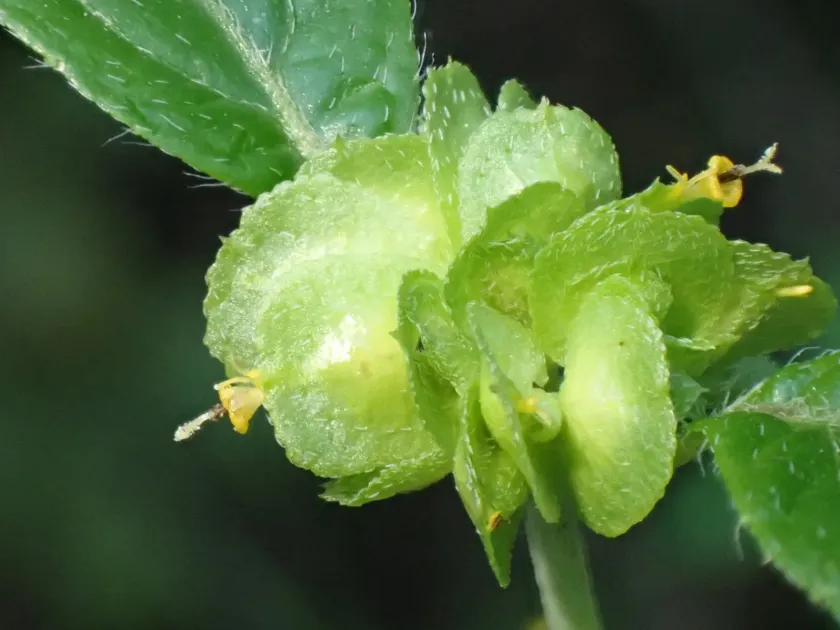
Description
Growing requirements
Delilia biflora is a herbaceous plant belonging to the Asteraceae family. Native to tropical regions of the Americas, this plant thrives in warm, humid climates where it can complete its full growth cycle without the stress of temperature extremes.
Botanically, the plant is characterized by its specific inflorescence patterns and branching stems. As a member of the diverse Asteraceae family, it displays typical characteristics such as alternate leaf arrangement and efficient nutrient uptake mechanisms suited to its environment.
Agricultural success depends on high-quality, well-draining soils. The crop performs best in fertile substrates with good aeration, as the roots are highly susceptible to rot if oxygen supply is restricted by waterlogging.
Climatic requirements for Delilia biflora emphasize the need for consistent thermal conditions. It is not cold-hardy, and frost can be fatal to the crop, making controlled-environment agriculture or tropical cultivation sites essential.
The economic utility of the plant is primarily focused on local biodiversity and potential biochemical research. Its role in industrial agriculture remains niche, often serving as a subject for experimental field studies regarding tropical flora adaptability.
Main diseases and pests
The primary threats to Delilia biflora include various fungal pathogens that thrive in high humidity. Root rot and foliage blight are common concerns that require careful moisture management to prevent significant biomass loss.
Pest pressures typically involve common tropical agricultural invaders, such as aphids and spider mites. These pests can cause severe damage by piercing plant tissue and facilitating the entry of opportunistic viruses.
Effective management includes spacing plants adequately to ensure proper airflow, which reduces the humidity levels around the foliage and discourages fungal spore germination.
Integrated pest management (IPM) strategies, including the introduction of beneficial insects or the use of organic sprays, are highly recommended to protect the crop without disrupting the local environmental balance.
Regular sanitation, including the removal of infected plant debris, is vital to ensure the long-term health of the planting site and to prevent the build-up of recurring pest populations.