
Bartlettina
Bartlettina
Bartlettina is a genus of flowering plants belonging to the Asteraceae family. These plants are native to the tropical regions of Central and South America, particularly thriving in the mountainous forest environments where humidity levels are consistently elevated throughout the year.
What the section contains

Bartlettina
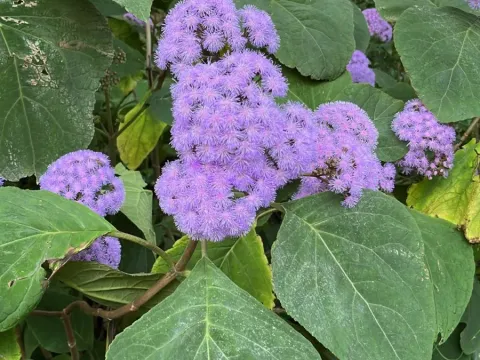
Botanically, Bartlettina species are characterized by their shrubby or herbaceous growth habit, featuring opposite leaves and large, dense terminal clusters of flowers. These inflorescences are often purple or violet, making them highly prized in tropical and botanical conservatory collections.
The climate requirements for Bartlettina involve a steady, warm environment without extreme temperature fluctuations. While they prefer warm conditions, they also require protection from harsh, direct midday sun, which can dehydrate the foliage and inhibit flower bud development.
Regarding soil, these plants necessitate a well-draining yet moisture-retentive substrate. A potting mix consisting of high-quality peat, perlite, and organic leaf mold is ideal to mimic the nutrient-rich, airy soil found in their natural forest floor habitats.
Agronomic management relies heavily on consistent moisture control. Although the plants enjoy high humidity, they should not be kept in waterlogged soil, as this significantly increases the risk of root suffocation and subsequent decay of the root system.
The most frequent pests affecting Bartlettina include spider mites and whiteflies, especially when grown in indoor greenhouse conditions with low humidity. Monitoring the undersides of the leaves regularly is essential for early detection of these sap-sucking insects.
Fungal issues such as leaf spot or various forms of root rot pose a threat if the cultivation environment lacks sufficient air circulation. Improving airflow and ensuring the irrigation water does not remain on the foliage are standard preventive measures for keeping these plants healthy.