
Barrelier's wormwood
Artemisia barrelieri
Description
Growing requirements
Barrelier's wormwood (Artemisia barrelieri) belongs to the Asteraceae family. This perennial species is native to Mediterranean regions, demonstrating a strong evolutionary adaptation to arid and semi-arid environments where it thrives on rocky, calcareous soils.
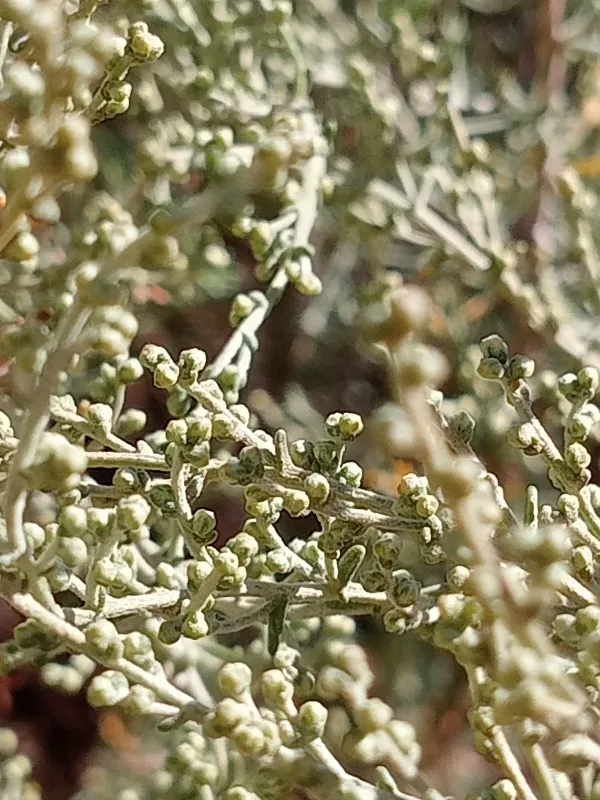
The plant is biologically distinct due to its dense silvery pubescence, which acts as a protective layer against high evapotranspiration rates. In field cultivation, it requires full sun exposure and well-drained substrate to prevent physiological distress caused by excessive moisture.
Successful management of this crop involves maintaining soil conditions that mimic its natural habitat. It prefers neutral to alkaline pH levels and is highly intolerant of waterlogging, which often leads to root collar rot and rapid plant decline during the rainy season.
Agronomic practices focus on limited fertilization. Excessive nitrogen application is avoided as it alters the secondary metabolite profile of the plant, potentially reducing the quality of essential oils harvested for commercial purposes.
The main agricultural use for Artemisia barrelieri is as a specialized industrial crop for pharmaceutical and cosmetic extraction. Its ability to survive in poor soil conditions also makes it a viable candidate for sustainable land restoration projects.
Main diseases and pests
Fungal diseases are the primary threat to plantation health. Pathogens such as powdery mildew flourish in stagnant air, making proper field spacing and ventilation crucial components of the crop management strategy to ensure plant health.
Insect pests include various species of aphids and subterranean larvae. These can compromise the integrity of the foliage or damage the root system during the early stages of growth, requiring integrated pest management (IPM) to maintain productivity.