
Commidendrum rugosum
Commidendrum rugosum
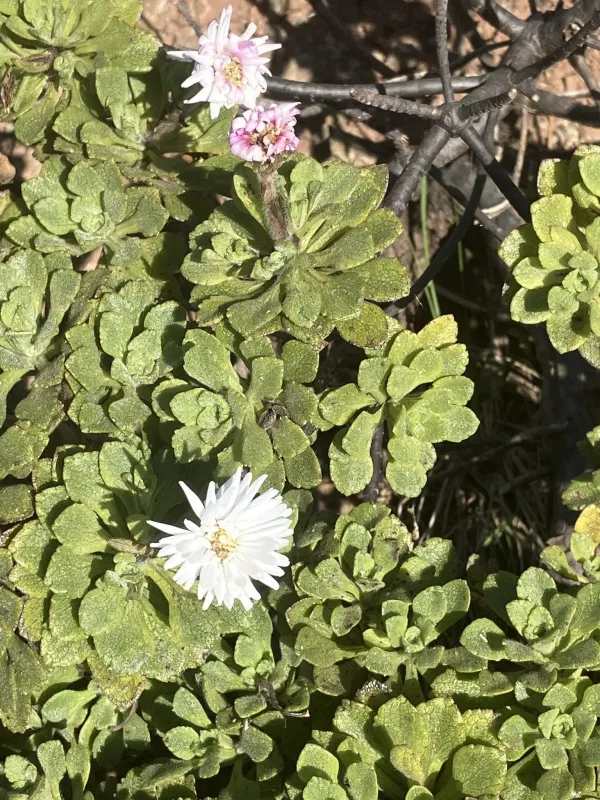
Description
Growing requirements
Commidendrum rugosum, commonly known as the wrinkle-leaved gumwood, is a species of flowering plant in the Asteraceae family. It is strictly endemic to the island of Saint Helena, where it serves as a critical component of the local island ecosystem.
The plant typically grows as a dense, woody shrub or a small tree reaching up to two meters in height. Its most distinguishing botanical feature is the rugose, or wrinkled, texture of its leaves, which provides a unique appearance compared to other related woody species.
It thrives in well-drained, rocky soil types and requires full sun exposure to maintain its healthy growth. The species has adapted to the specific maritime climate of its native habitat, showing remarkable tolerance to constant coastal winds and varying humidity levels.
Cultivation practices require careful attention to substrate aeration and moisture control, as the root system is prone to rot in waterlogged conditions. In specialized nursery settings, propagation is typically managed through seed germination protocols that mimic natural environmental cues.
While not a traditional agricultural crop, the species is cultivated for conservation purposes and as a specimen in botanical gardens. Its primary value lies in biodiversity preservation and restoration efforts aimed at protecting the endangered flora of the Saint Helena region.
Main diseases and pests
The primary threat to the species is the impact of introduced invasive herbivores, such as goats and rabbits, which graze on the foliage and prevent the successful recruitment of new seedlings in the wild.
In addition to herbivory, the competition from invasive exotic plants poses a significant challenge to its survival. Fungal pathogens can also affect greenhouse-grown specimens if proper ventilation and soil sanitation practices are not rigorously maintained.