
Woolly-scaled cladanthus
Cladanthus eriolepis
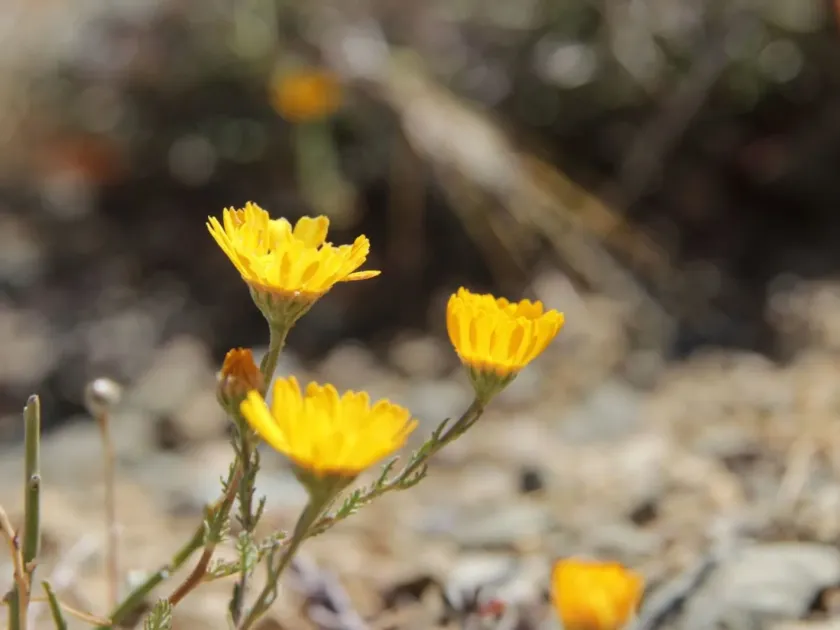
Description
Sowing dates
Sowing of Cladanthus eriolepis is best performed in the spring season once the frost risk has completely vanished. The seeds should be sown in a warm, sunny location, ensuring that the soil temperature is suitable for rapid germination, typically requiring at least 15 degrees Celsius.
For optimal results, seeds should be scattered thinly over a prepared soil bed and lightly pressed down without deep coverage. This surface sowing technique mimics the plant’s natural adaptation to light-dependent germination, ensuring high viability of the young seedlings.
Growing requirements
This species, belonging to the Asteraceae family, is native to the arid regions of North Africa and thrives in full sun exposure. It requires a significant amount of direct light to maintain its structural integrity and encourage the production of its signature composite flower heads.
The plant is highly adaptable to poor, sandy, or rocky soils, provided that the drainage is excellent. It is essential to avoid heavy, water-retentive clay soils, as the plant is susceptible to root degradation if the substrate remains waterlogged for extended periods.
Water requirements for Cladanthus eriolepis are relatively low once the plant is established, as it possesses inherent drought-tolerance mechanisms. During the initial growth stages, moderate moisture is recommended, but as the plant matures, it can withstand prolonged heat without supplemental irrigation.
Main diseases and pests
The primary threats to this culture are fungal diseases, particularly those affecting the roots and collar, often resulting from improper drainage or excessive soil moisture. Maintaining a dry environment around the base of the plant is the most effective preventative measure against these pathogens.
Insect pests, including aphids and various sap-sucking insects, may occasionally infest the foliage, particularly during rapid growth spurts. Monitoring the plant for early signs of infestation is crucial, as is ensuring proper air circulation to mitigate the risks of both pests and secondary fungal infections.