
Cladanthus mixtus
Cladanthus mixtus
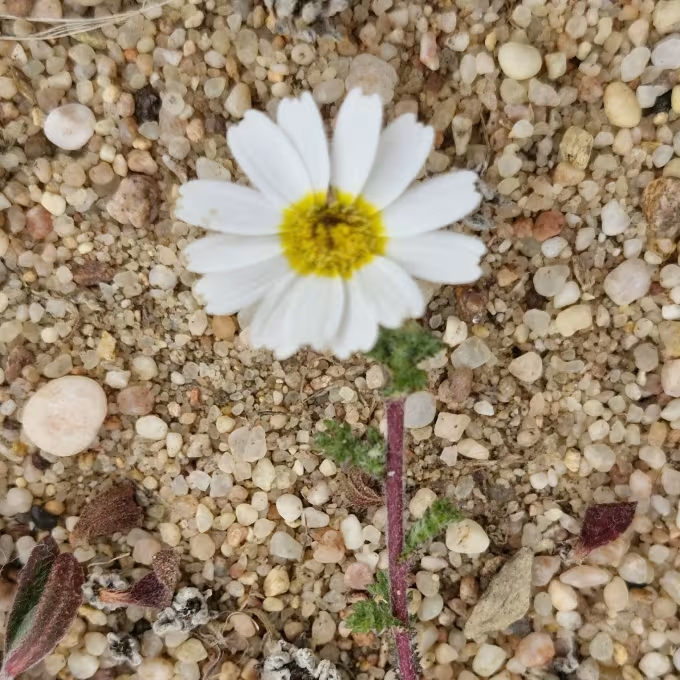
Description
Sowing dates
Cladanthus mixtus is typically grown as an annual, with sowing taking place directly into the garden beds once the danger of frost has passed. Spring is the ideal time for planting, usually between April and May, depending on the local climate and temperature trends.
The seeds require light to germinate effectively, so they should be sown very shallowly, barely covering them with a thin layer of soil or fine compost. Proper soil moisture is critical during the first two weeks to ensure uniform germination and seedling establishment.
For gardeners in colder regions, starting seeds indoors in late winter is a recommended practice. This allows seedlings to develop strong root systems before they are hardened off and transplanted into the garden once the soil has warmed up.
Spacing is essential for the healthy development of this plant, as it tends to form spreading, bushy clusters. A distance of 20 to 30 centimeters between individual plants is generally sufficient to allow for adequate airflow and plant growth.
Maintaining a weed-free environment during the early stages of growth is vital to prevent competition for nutrients. Light hoeing around the young plants helps in keeping the soil aerated and reducing weed pressure effectively.
Growing requirements
Cladanthus mixtus is a member of the Asteraceae family and is well-adapted to sunny conditions. It thrives in locations with full sun exposure, which is necessary to maintain its compact habit and produce a dense display of daisy-like flowers.
Regarding soil, it prefers well-drained, sandy, or loamy substrates. It is highly tolerant of poor soil conditions, provided that the drainage is excellent; waterlogging is the primary cause of plant failure and root rot in this species.
The plant is known for its remarkable drought tolerance once established, making it a suitable choice for water-wise gardens. While it can survive long dry spells, moderate watering during the flowering phase will significantly enhance bloom size and color vibrancy.
It performs best in neutral to slightly alkaline soil conditions, with a pH range between 6.0 and 7.5. Regular soil testing and adjustment can help create the optimal environment for the most vigorous growth and longest blooming period.
Cladanthus does not require heavy fertilization to perform well. Over-fertilizing, especially with nitrogen, can lead to excessive foliage production at the expense of flower output, so a balanced, low-dose fertilizer applied once during mid-season is usually sufficient.
Main diseases and pests
Aphids are the most common pest observed on Cladanthus mixtus, particularly during warm and dry periods when they colonize the soft tips of new growth. Monitoring for these pests early in the season is important to prevent heavy infestations.
Powdery mildew can affect the leaves during periods of high humidity combined with stagnant air. To prevent this fungal issue, it is recommended to plant in open areas where airflow is unobstructed and to avoid overhead irrigation.
Slugs and snails may occasionally attack young seedlings, causing significant damage overnight. Protective measures such as creating physical barriers or using pet-safe bait can manage their populations effectively during the early growth stages.
Root rot, caused by various soil-borne fungi, remains a threat primarily in heavy, poorly drained soils. Improving soil structure with organic amendments or sand is the most effective long-term preventative measure against these diseases.
Viral infections may occur, often transmitted by sap-sucking insects. The best defense is to maintain plant health, manage pest populations rigorously, and immediately remove and dispose of any plants showing signs of stunted growth or leaf distortion.