
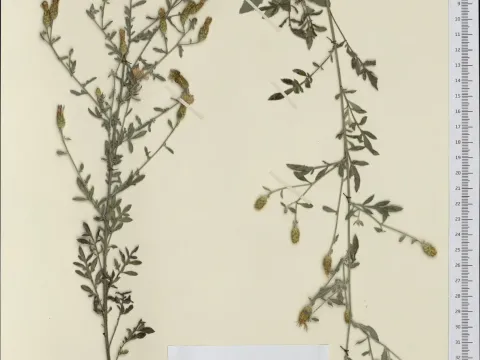
Rue-leaved knapweed
Centaurea rutifolia
Rue-leaved knapweed (Centaurea rutifolia) is a perennial herbaceous plant belonging to the Asteraceae family. In agricultural and horticultural practice, this species is valued for its high adaptability to the specific edaphic conditions characteristic of the Mediterranean climate.
What the section contains
Rue-leaved knapweed
The natural range of this crop mainly covers regions of Southern Europe, where the plant grows in open, sun-drenched areas. It prefers stony or sandy loams with excellent drainage, as water stagnation is detrimental to the root system of this flora representative.
Successful cultivation requires plots with a neutral or slightly alkaline soil reaction. The crop demonstrates marked xerophytic traits, allowing it to maintain vegetative activity even under conditions of prolonged summer deficits of atmospheric and soil moisture.
Botanically, the plant is characterized by its pinnately dissected leaves, the shape of which gave rise to the specific name "rutifolia." The flower heads have a bright color, making them attractive not only to bees as a honey plant but also for use in landscape design.
In industrial cultivation, it is important to ensure compliance with the temperature regime. The optimal range for the development of knapweed is between +18 and +25°C. The plant has moderate winter hardiness and requires high-quality cover in regions with harsh winters or protected cultivation.
The main risks during cultivation are associated with the development of fungal pathogens, resulting from poor soil aeration or high air humidity. Powdery mildew is the most common issue, requiring timely application of fungicides.
Under high humidity conditions, the root system may be subject to decay processes. To prevent diseases, it is recommended to follow a sparse planting pattern that ensures constant air circulation around the root zone.
Among pests, aphids and spider mites pose the greatest danger, as they actively colonize the vegetative mass during dry periods. Regular monitoring of crop status allows for the suppression of infestation foci at early stages without the use of aggressive chemicals.
To maintain crop health, it is necessary to perform timely weeding, as competition from weeds significantly weakens the knapweed's immunity. Mechanical damage to stems during soil cultivation can also become an entry point for infections.
The integrated plant protection system includes the use of biological insecticides and proper crop rotation. Applying agrotechnical methods aimed at drying the soil surface remains the most effective method for preventing the mass development of diseases.