
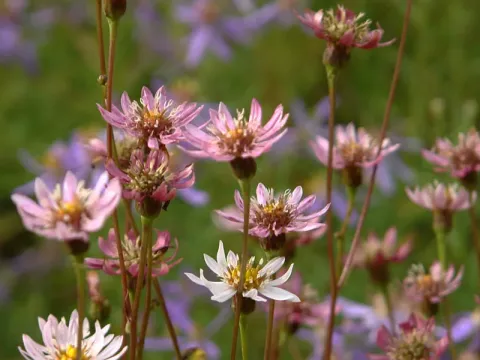
Rugose aster
Aster rugulosus
Sowing seeds of Aster rugulosus in open ground is typically done before winter, as the seeds require a period of natural stratification to germinate properly.
What the section contains
Rugose aster
When using the seedling method, seeds should be sown in late March in a light, nutrient-rich substrate while maintaining a stable temperature of around 20 degrees Celsius.
Pricking out the seedlings at the two-leaf stage is essential for developing a strong root system and preventing the elongation of the stems in the early development phase.
Transplanting into the permanent garden site occurs in late May once the threat of spring frosts has completely passed to ensure the young plants survive.
A planting density of 30 by 40 centimeters is recommended to provide sufficient space for each plant, promoting better air circulation and reducing disease risks.
This crop thrives in well-lit, sunny areas, although it demonstrates a good tolerance for partial shade, especially in regions with very hot summer climates.
The soil must be fertile, well-drained, and have a neutral or slightly alkaline pH, as standing water is detrimental to the survival of this particular species.
Consistent watering during dry spells is necessary to maintain vigor, but it must be applied carefully at the base of the plant to avoid wetting the foliage.
Applying organic compost before planting provides the necessary nutrients for the growing season and improves the physical structure of the soil for long-term health.
In colder regions, applying a thin layer of mulch such as straw or peat around the roots helps regulate soil temperature and retains moisture throughout the year.
Powdery mildew is the most common fungal disease, particularly in humid and poorly ventilated conditions, leading to white spots on leaves and premature leaf drop.
Root rot often occurs due to overwatering or planting in heavy, poorly drained clay soils that restrict oxygen access to the roots of the rugose aster.
Aphids frequently target the tender new growth of the plant, which can significantly stunt development if not controlled by timely inspection and insecticidal soap.
Spider mites can become a nuisance during hot and dry weather, necessitating the use of specialized acaricides if biological control methods prove insufficient.
General phytosanitary practices, such as removing debris and infected plant parts, are critical to preventing the spread of diseases within the garden area.