
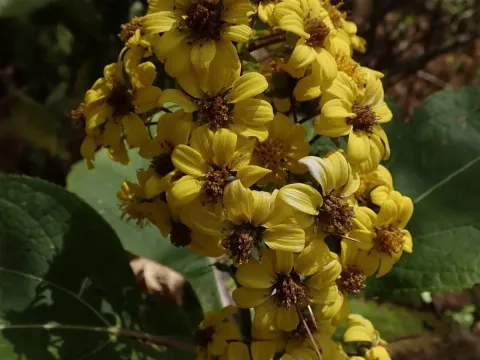
Rumfordia
Rumfordia
Sowing Rumfordia seeds is best carried out in the spring, once soil temperatures consistently remain between 15 and 18 degrees Celsius. For regions with shorter growing seasons, starting seeds indoors in greenhouses during March or April is highly recommended.
What the section contains

Rumfordia
When sowing directly into the open field, wait until all risks of frost have passed. Seeds should be sown at a shallow depth of 1–2 centimeters, ensuring firm soil contact to facilitate uniform germination across the field.
Optimal planting spacing is essential for plant health; typically, rows should be spaced 40–50 centimeters apart, with individual plants placed about 30 centimeters apart within the rows. This arrangement promotes airflow and minimizes competition for sunlight.
Seedlings usually emerge within 10–14 days. During this early developmental stage, consistent but gentle moisture is vital, while waterlogging must be strictly avoided to prevent the damping-off of young sprouts.
Once true leaves appear, thinning the plants is a necessary maintenance step. This practice ensures that the remaining specimens have enough space to develop strong root systems, ultimately leading to a more vigorous growth habit throughout the season.
Rumfordia, a member of the Asteraceae family, thrives in sunny locations with well-drained, fertile soil. Exposure to full sunlight is critical, as excessive shading can lead to weak, elongated stems that lack structural integrity.
The soil should have a neutral to slightly acidic pH for optimal nutrient uptake. On heavy clay soils, incorporating organic matter such as compost or peat is essential to improve soil structure and ensure adequate drainage for the root system.
While the plant shows some tolerance to temporary dry spells, regular irrigation during the peak growth phase is necessary for vibrant flowering. It is important to water the base of the plant, avoiding excessive moisture on the foliage to prevent disease.
Fertilization with a balanced NPK fertilizer during the early vegetative phase encourages healthy leaf development. Once the plant enters the budding stage, adjusting the nutrient ratio toward higher phosphorus and potassium levels supports prolific flowering.
Temperature stability is ideal for Rumfordia cultivation. While it can withstand moderate fluctuations, extended periods of cold weather will significantly retard development, making the protection of young plants during sudden temperature drops beneficial.
Fungal diseases, particularly powdery mildew, pose the most significant risk to Rumfordia, especially in humid conditions with poor air circulation. Management strategies should prioritize maintaining proper spacing and promptly removing any infected plant tissue.
Insect pests like aphids and spider mites can colonize the foliage, particularly during dry and hot weather. Early detection is key; regular monitoring and the use of targeted insecticides or biological control agents can effectively manage these populations.
Gastropods such as slugs and snails are common threats to younger, tender plants. Applying protective barriers or utilizing organic molluscicides around the perimeter of the planting area helps protect the crop from significant feeding damage.
Root rot is a concern when soil drainage is poor. To mitigate this risk, ensure the planting site is well-drained and avoid over-irrigating, as excess moisture in the root zone creates an environment conducive to harmful fungal growth.
Maintaining high hygiene standards in the field, including the removal of weeds that act as alternative hosts for pests and diseases, is fundamental to sustainable crop management and achieving high-quality yields.