
Rugelia
Rugelia
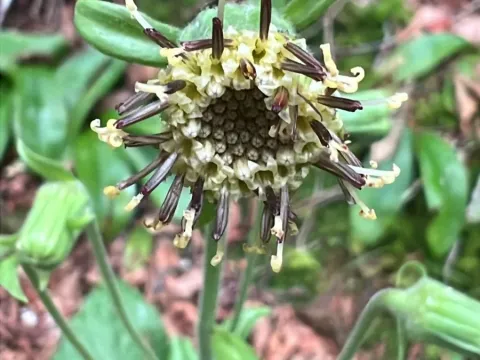
Rugelia (Rugelia nudicaulis) is a perennial herbaceous plant belonging to the Asteraceae family. In agriculture, it is considered a niche, specialized crop that requires precise environmental conditions and professional care to thrive in a cultivated setting.
What the section contains

Rugelia
The plant originates from high-altitude regions of North America, particularly the Southern Appalachian Mountains. Because of its specific evolutionary adaptation to these habitats, it is highly sensitive to environmental fluctuations and performs best in controlled, near-natural settings.
Botanically, the plant is characterized by a basal rosette of leaves and a single, erect stem topped by a composite flower head. Its leaf morphology is quite distinctive, featuring deep veining and a texture that reflects its adaptation to cool, shaded mountain environments.
Currently, the economic usage of Rugelia is centered on ornamental horticulture and potential research into bioactive compounds. Due to its rarity and specific chemical profile, it is viewed as a crop with significant potential for specialized botanical and pharmacological applications.
Successful cultivation requires a deep understanding of its ecological niche. It is not suitable for mass-market farming due to its low tolerance for environmental stress, making it an excellent candidate for highly specialized greenhouse production or boutique nursery cultivation.
Rugelia thrives in rich, organic, well-draining soils that mimic a forest floor environment. The soil pH should be maintained in the slightly acidic range, which is critical for the uptake of essential nutrients and the plant's overall health and vigor.
The plant requires high humidity levels and a consistently cool environment. In arid climates, intensive climate control systems, such as misting and shading, are mandatory to prevent dehydration and to ensure the plant does not enter dormancy prematurely.
Light management is essential, as the species is adapted to partial shade or dappled sunlight. Direct, intense solar radiation during peak hours can cause leaf scorching, which significantly damages the plant's photosynthetic capacity and reduces its commercial value.
Watering must be precise; the soil should be kept moist but never waterlogged. Good drainage is non-negotiable, as stagnant water near the root zone quickly leads to root hypoxia and the subsequent development of lethal fungal pathogens.
Fertilization should be handled with care, favoring organic liquid amendments over high-concentration synthetic fertilizers. Gradual nutrient availability promotes stable growth and helps maintain the plant's natural resistance to environmental stress.
Fungal diseases are the primary threat to Rugelia, particularly under conditions of poor air circulation and excessive moisture. Phytophthora and gray mold represent the most common and devastating threats that can rapidly spread through a planting site.
Gastropods, including slugs and snails, are frequent pests that target the plant's tender foliage. Implementing physical barriers and regular nocturnal monitoring is essential to protect young plants and maintain the aesthetic quality of mature specimens.
Poor sanitation within the cultivation area significantly increases disease pressure. It is crucial to remove any decaying organic matter and ensure that pruning tools are regularly sanitized to prevent the transmission of pathogens between plants.
Integrated Pest Management (IPM) is strongly recommended for Rugelia, prioritizing biological control agents over broad-spectrum pesticides. The plant’s sensitivity to chemical interventions means that any treatment must be applied with extreme caution.
Regular monitoring of the root zone and leaf undersides allows for the early detection of issues. By identifying early signs of stress or pest infestation, growers can apply targeted, low-impact interventions, preserving the overall health of the crop.