
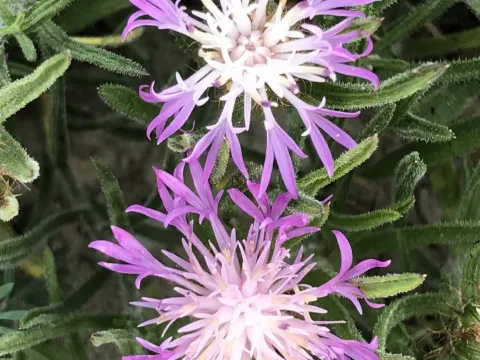
Centaurea linifolia
Centaurea linifolia
Centaurea linifolia, a member of the Asteraceae family, is a perennial herbaceous plant known for its structural resilience and adaptability to challenging environments. In agriculture, it is recognized for its ability to thrive where other, more demanding crops often fail.
What the section contains
Centaurea linifolia
The species originates from Mediterranean and steppe-like regions, characterized by distinct seasonal variations. It requires well-drained, porous soils that prevent waterlogging, which is essential for maintaining the health of its robust taproot system.
Botanically, Centaurea linifolia is defined by its narrow, linear foliage, which is an evolutionary adaptation to minimize transpirational water loss. The plant possesses strong, upright stems capable of withstanding moderate environmental stresses.
Optimal growth is achieved in environments with high levels of direct solar radiation. Shaded conditions are detrimental to the plant's development, as they significantly limit its photosynthetic capacity and overall biomass production.
Its primary agricultural utility lies in soil conservation and its role as a high-quality forage supplement in arid regions. Its deep roots play a crucial role in preventing soil erosion in degraded landscapes.
The most common biological threats to Centaurea linifolia are fungal infections, particularly powdery mildew, which thrive in humid microclimates. Proper field spacing is essential to ensure adequate airflow and reduce disease incidence.
Pest management focuses primarily on sucking insects such as aphids. These pests can cause significant damage to the floral parts and tender foliage if left unchecked during the critical growth phases of the crop.
Weed management remains the most significant challenge during the plant's establishment phase. Implementing effective mechanical weeding practices in the early stages is necessary to eliminate nutrient competition.
Crop rotation strategies must be strictly followed to prevent the buildup of soil-borne pathogens. Integrating Centaurea linifolia into diversified crop systems significantly lowers the risks associated with monoculture.
Nutrient management should focus on balanced inputs rather than excessive nitrogen application. Maintaining optimal levels of phosphorus and potassium enhances plant hardiness and resistance to environmental fluctuations.