
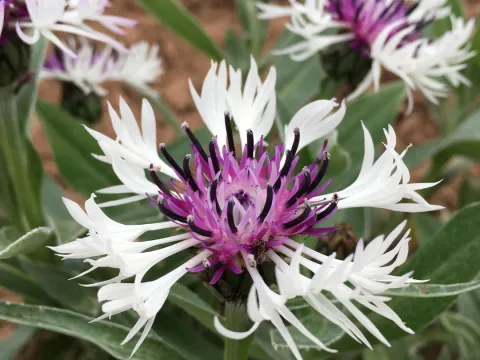
Hybrid cornflower
Centaurea hybrids
Hybrid cornflowers should be sown in early spring as soon as the soil is workable or in late autumn for winter-hardy germination in the following season.
What the section contains
Hybrid cornflower
For greenhouse production, seeds can be started in trays 6 to 8 weeks before the last frost to ensure a robust transplant by the time of field establishment.
Seeds require a fine, well-aerated seedbed, with a planting depth of approximately 1 to 2 centimeters to ensure adequate moisture retention for germination.
Spacing is a critical factor in hybrid cultivation, with recommendations ranging from 30 to 45 centimeters between plants to prevent overcrowding and improve airflow.
Soil temperature should be monitored, as a range of 15 to 20 degrees Celsius is optimal for the uniform emergence of seedlings across the planting bed.
As a member of the Asteraceae family, hybrid cornflowers thrive in locations with full sun exposure, which is necessary to maintain the intensity of their vivid colors.
They prefer well-drained, sandy loam soils with a neutral pH, as they are highly susceptible to root damage caused by waterlogged conditions.
While relatively drought-tolerant once established, hybrid varieties require consistent moisture during the peak vegetative phase and bud formation.
Fertilization with a balanced NPK ratio in early spring supports strong stem development and enhances the frequency of flower production throughout the season.
Effective agrotechnical practices include regular hoeing to remove weeds that compete for vital nutrients and light, particularly during the juvenile growth stage.
The yield of hybrid cornflowers is measured primarily by the number and quality of floral stems produced during the harvestable window of the plant's life cycle.
High-yield hybrids are bred for extended blooming periods, provided that spent flowers are consistently deadheaded to divert energy back to new bud development.
Quality control in production involves selecting for stem length and structural integrity, which are highly valued in the commercial fresh-cut flower market.
Environmental control, such as protecting plants from high winds, can significantly improve the harvestable yield by preventing damage to delicate floral stems.
Optimizing the nutritional status of the soil through precision fertilization directly correlates with a higher volume of larger, more vibrant blooms per square meter.
The most common disease threats include downy mildew and rust, which often manifest during periods of high humidity and restricted ventilation within the foliage.
Integrated pest management strategies should focus on monitoring for aphids and spider mites, which can rapidly colonize and weaken the plant structure.
Proactive cultural control methods, such as removing affected plant debris and maintaining optimal spacing, remain the first line of defense against disease outbreaks.
Chemical intervention, when necessary, must be conducted using selective insecticides and fungicides that do not negatively impact beneficial pollinating insects.
- Downy mildew
- Rust disease
- Aphids
- Spider mites
Harvesting for commercial use should occur during the cooler morning hours to ensure maximum turgidity and extended vase life for the cut flowers.
Flowers should be cut when the petals are just beginning to unfurl; this stage ensures the best aesthetic presentation and durability during transport.
After harvesting, stems should be processed immediately by trimming the base and placing them in clean, water-holding containers to prevent dehydration.
For seed production, allow the flower heads to fully dry on the stalks until they turn brown, ensuring they are gathered before the seeds disperse naturally.
Clean storage conditions, maintaining low humidity and cool temperatures, are essential for preserving the quality of harvested seeds for the subsequent planting season.