
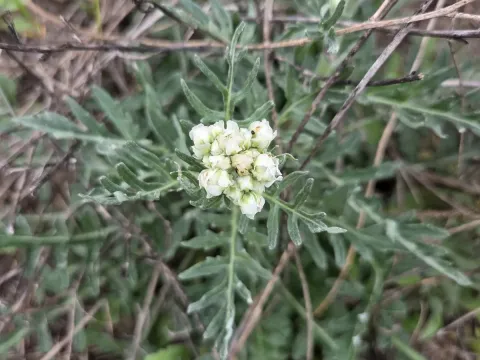
Hymenopappus
Hymenopappus
Hymenopappus is a genus of flowering plants belonging to the Asteraceae family. Native primarily to North America, these plants are well-adapted to prairie and semi-arid environments, exhibiting significant resilience to adverse weather conditions and nutrient-poor soil types.
What the section contains

Hymenopappus
The culture thrives in well-drained, sandy, or loamy soil compositions. Effective drainage is the most vital requirement, as the root system of Hymenopappus is highly susceptible to rot when exposed to excessive moisture or waterlogged conditions for extended periods.
Optimal growth requires full sun exposure throughout the day. These plants are heliophilic and require high solar intensity to maintain their architectural integrity and initiate abundant flowering, which is their key biological characteristic in field settings.
Climatic requirements involve moderate heat and low humidity. While the plant can handle temperature fluctuations typical of arid regions, it struggles in regions with persistent high atmospheric humidity, which promotes the development of various fungal pathogens.
Agronomic management should prioritize a lean fertilization strategy. Excessive nitrogen application is discouraged as it encourages disproportionate vegetative growth, which can weaken the plant and make it more susceptible to lodging and physical damage.
Root rot is the most significant disease threat to Hymenopappus. It typically occurs when soil moisture levels exceed the plant's tolerance threshold, leading to the rapid decay of the root collar and ultimate plant mortality if not mitigated.
Aphids and spider mites are the most common pests encountered during the active growing season. These insects feed on the plant sap, often causing stunting and yellowing of the leaves if the infestation is not managed through timely insecticidal interventions.
Powdery mildew is a fungal issue that frequently manifests in dense, poorly ventilated plantings. Proper spacing during the sowing process is a necessary preventative measure to ensure adequate air circulation and reduce the humidity around the foliage.
Viral infections, transmitted by sucking insects, pose a challenge for long-term health. Because viral diseases cannot be cured, maintaining healthy plant populations and controlling insect vector populations remains the primary defense strategy.
Weed management during the emergence stage is critical for successful stand establishment. Due to the sensitive nature of the root system, mechanical weeding must be performed with caution to avoid disturbing the soil and damaging the roots of the culture.