
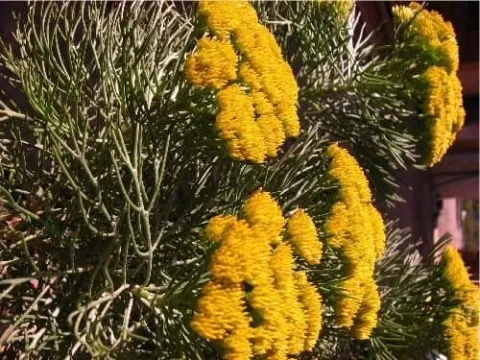
Hymenolepis
Hymenolepis
Hymenolepis is a genus of plants belonging to the Asteraceae family. Known for their aromatic properties and ornamental value, these plants are increasingly recognized in various sectors of specialized agriculture.
What the section contains

Hymenolepis
The plant thrives in full sun, which is essential for developing its robust stems and high-quality floral spikes. Lack of light leads to weak, elongated growth, which significantly diminishes the plant's structural integrity and overall vigor.
Ideally, Hymenolepis requires well-draining, light, and fertile soil. A neutral to slightly acidic pH is optimal for nutrient uptake. Waterlogged conditions must be avoided at all costs, as the root system is prone to hypoxia and subsequent fungal infection.
While the plant shows some tolerance to drought once established, consistent moisture is required during the early stages of development. Irrigation should be managed carefully to ensure the substrate remains moist but not saturated.
In colder regions, Hymenolepis is treated as an annual because it lacks the hardiness required for winter survival. Its life cycle is best managed through controlled greenhouse production before being transplanted into open fields.
Sowing should begin in late March to mid-April to ensure sufficient growth before the peak of summer. Utilizing high-quality sterile media is crucial to prevent damping-off diseases common in young seedlings.
Transplanting should occur once all danger of frost has passed, usually late May. Providing adequate space between plants—typically 25–30 cm—is vital to allow for sufficient airflow, which prevents humidity-related issues.
Seeds should be sown shallowly, barely covering them with a light layer of substrate. Given their light-sensitive nature, shallow planting helps improve germination rates and uniformity across the seed tray.
Providing a consistent environment with a temperature of around 20°C (68°F) is recommended for initial germination. Once seedlings emerge, increasing light intensity and improving ventilation are key steps for building hardy young plants.
Initial feeding with a balanced liquid fertilizer after the first true leaves emerge helps build the necessary root mass. This strengthens the plant, making it better prepared for the transition to the field environment.
Yield metrics for Hymenolepis are closely tied to soil fertility management and precise harvest timing. Maximum concentrations of essential aromatic compounds are achieved just as the plants hit full bloom.
Industrial yields are optimized by managing plant density and providing adequate micronutrients throughout the growing season. High-output fields rely on standardized irrigation practices to keep plants in a state of continuous, healthy growth.
Mechanized harvesting is becoming the standard for large-scale operations. Using high-clearance headers ensures that the harvest is clean and minimizes soil contamination of the foliage, which is essential for processing.
Post-harvest handling is critical, as delays in processing can lead to the rapid oxidation of essential oils. Immediate transport to drying facilities ensures that the market value of the crop is preserved.
Balanced fertilization, avoiding excessive nitrogen, helps maintain a high yield while preserving the desired secondary metabolites. Regular soil testing helps customize nutrient programs for every harvest cycle.
Fungal pathogens are the primary concern in Hymenolepis cultivation. Powdery mildew can quickly spread through a field if spacing is too narrow or if humidity levels remain consistently high during the warmer months.
Root rot caused by Pythium species is a major threat in poorly drained soils. Managing the irrigation schedule and ensuring field slopes provide adequate drainage are the best preventive measures against these soil-borne diseases.
Aphids and spider mites are common pests that target the plant's soft foliage. These pests can significantly reduce plant health if not detected early, often requiring localized insecticide application or biological control.
A systematic monitoring program is essential to keep pest levels below the economic injury threshold. Integrated Pest Management (IPM) practices, including the use of beneficial predatory insects, are highly effective for this crop.
Sanitation practices, such as removing debris and weeds that serve as secondary hosts, are crucial. Keeping the field clean reduces the need for heavy chemical intervention and supports a healthier overall crop system.
The optimal harvest time is mid-morning, once the early morning dew has evaporated but before the heat of the day peaks. This timing is essential for retaining the integrity of the plant's aromatic components.
Sharp cutting tools are necessary to provide a clean incision, which helps prevent necrotic spots and secondary infections on the remaining stalks. Clean tools also reduce the risk of spreading pathogens between plants.
Transport of harvested material must be done in breathable containers to avoid heat buildup. Freshly cut material is highly perishable, and internal temperatures can rise quickly if stored in deep piles.
Drying must occur in a well-ventilated space with temperature control. Exceeding 40°C (104°F) can lead to the evaporation of valuable compounds and degradation of the plant material's quality.
Final storage requires moisture-proof containers in a cool, dark environment. This prevents the degradation of the product's color and scent, ensuring it meets industrial standards for premium quality.