
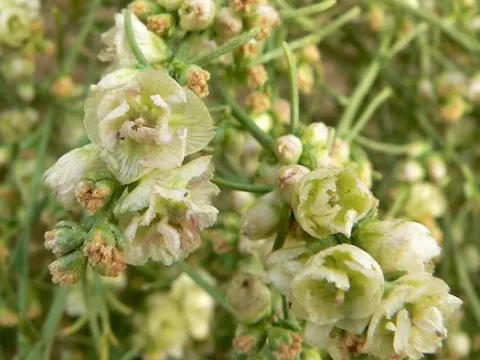
Hymenoclea
Hymenoclea
Seeds of Hymenoclea exhibit high viability but require specific environmental cues to initiate germination. Under natural conditions, sowing is synchronized with the winter or early spring rainfall, which triggers the awakening of the seed bank.
What the section contains

Hymenoclea
For artificial cultivation, it is recommended to use a porous, well-draining substrate that mimics the native desert environment. The seeds should be sown at a minimal depth to ensure sufficient light exposure for the seedlings.
The germination phase requires stable temperatures between 20 and 25 degrees Celsius. It is crucial to maintain consistent, light moisture levels, as waterlogging is extremely detrimental to the developing radicle.
Growth during the seedling stage is notably slow, as the plant prioritizes the development of an extensive taproot system. Protection from wind and extreme thermal exposure during this phase is vital for plant establishment.
Once seedlings reach a height of approximately 15 centimeters, they undergo a hardening-off process. This prepares them for transition to open field conditions where they can mature with minimal supplemental care.
Hymenoclea, a member of the Asteraceae family, is a classic xerophyte native to the desert and semi-desert regions of North America. It is exceptionally well-adapted to extreme environmental stressors.
The plant thrives in well-drained, sandy, or rocky soils with an alkaline pH profile. It is highly tolerant of saline conditions, making it a potential candidate for land reclamation in arid agricultural areas.
Full sun exposure is a mandatory requirement for healthy development. Shading negatively impacts photosynthesis and significantly increases susceptibility to various physiological disorders and fungal infections.
The ideal climate for Hymenoclea involves high diurnal temperature fluctuations. The plant is resilient to both intense summer heat and moderate winter freezes common in its native desert habitats.
Agronomic management is minimal, as the plant is not a heavy feeder. Occasional application of micronutrients during the early spring growth phase is typically sufficient to stimulate vigorous vegetative development.
The most significant pathological threat to Hymenoclea is Fusarium wilt, particularly when soil moisture levels exceed the plant's tolerance threshold. Strategic placement and soil drainage are the best preventative measures.
Cutworms pose a major threat to young seedlings by attacking the root collar. Integrated pest management using systemic insecticides is often necessary to protect vulnerable juvenile plants from significant damage.
Spider mites may infest the foliage during periods of prolonged heat and low humidity. Regular scouting is essential to identify infestations early and apply appropriate acaricides before systemic damage occurs.
Aphid populations, while often seasonal, can act as vectors for various viral diseases. Removing infected plants and controlling host weeds in the surrounding area can help mitigate this risk.
Hymenoclea generally maintains high resistance to diseases if planted with adequate spacing. Proper aeration of the crop canopy is the most effective way to prevent the development of powdery mildew.