
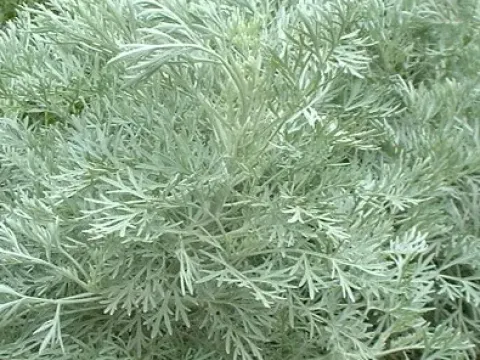
Hybrid mugwort
Artemisia hybrids
Hybrid mugwort is a perennial herbaceous plant or semi-shrub belonging to the Asteraceae family. This crop is the result of selective breeding efforts designed to produce plants with elevated levels of essential oils and specific biologically active compounds used in various industries.
What the section contains
Hybrid mugwort
Biologically, hybrid mugwort possesses a robust root system, allowing it to compete effectively with weeds during the early stages of establishment. The stems are upright, branched, and often covered with fine trichomes, which protect the plant from overheating and excessive moisture loss in arid climates.
Sowing times depend on the specific region, but late-autumn planting or early-spring sowing, once soil temperatures reach 5–8 degrees Celsius, is generally preferred. The small seeds require a shallow depth of no more than 0.5–1 cm to ensure optimal germination rates.
After emergence, the crop requires thinning, as overcrowding can lead to a significant decrease in the concentration of essential oils in the biomass. The optimal spacing between plants in a row should be 30–40 cm, with row widths up to 60 cm to facilitate mechanical processing and cultivation.
Growth is relatively slow in the first year as the plant focuses on developing a basal rosette of leaves. Intense stem growth and flowering occur starting from the second year, which necessitates the application of balanced mineral fertilizers at the beginning of the spring season.
For successful cultivation, hybrid mugwort requires open, well-lit areas, as shading leads to a sharp decline in raw material quality. The plant is extremely heliophilic and exhibits strong adaptation mechanisms to withstand prolonged periods of drought.
The crop has moderate soil requirements, though peak yields are achieved on light sandy or loamy soils with a neutral or slightly alkaline pH. Excessive moisture and stagnant groundwater are detrimental to the plant's root system and overall health.
The plant responds well to potassium-based fertilizers, which promote the accumulation of aromatic compounds. Good agricultural practice involves regular inter-row cultivation to improve soil aeration and retain moisture during the summer months.
In regions with harsh winters, hybrid forms require minimal protection or mulching, although most varieties demonstrate high winter hardiness. It is important to follow a crop rotation schedule, avoiding the return of mugwort to the same field for at least 4 to 5 years.
Industrial use includes applications in the pharmaceutical, perfume, and food sectors. The primary processed product is essential oil, valued for its antiseptic and bactericidal properties, making it a highly sought-after ingredient in modern medicinal formulations.
The primary threats to hybrid mugwort are fungal diseases, such as powdery mildew or various rusts, which thrive in high humidity conditions. Prevention focuses on ensuring good air circulation within the plantation and avoiding waterlogged soil conditions.
Among pests, the mugwort aphid and certain weevils can cause significant damage by feeding on succulent plant parts during active growth. In intensive farming, biological control methods are often employed to minimize the impact on beneficial pollinating insects.
To prevent the spread of diseases, it is essential to remove weeds promptly, as they often serve as intermediate hosts for pathogens. Maintaining clean fields is a prerequisite for ensuring high-quality raw materials for oil extraction.
For early-stage pest management, contact insecticides or soap-based solutions are often sufficient. Regular monitoring of the plantation at least once a week during peak insect activity periods is recommended to manage populations effectively.
In cases of severe fungal infection, copper-based fungicides are used, while strictly observing pre-harvest intervals. A healthy crop is the foundation for profitability in the production of this specialty agricultural commodity.
The harvest of hybrid mugwort is performed during the peak flowering stage, when the concentration of essential oils in the aerial parts reaches its maximum level. Dry, sunny weather is ideal, preferably during the morning hours after dew has evaporated but before the midday heat.
Specialized harvester-shredders are used to cut the upper portions of the plants. This preserves the lower stems, which facilitates rapid regeneration and regrowth of the crop for subsequent harvest seasons.
The harvested green mass must be processed or dried immediately to prevent losses of essential oils due to evaporation. Drying should take place in well-ventilated facilities at temperatures not exceeding 40 degrees Celsius to preserve volatile compounds.
Yields can range from 1 to 2 tonnes of dry matter per hectare, depending on soil fertility and the intensity of agricultural interventions. Regular pruning stimulates branching, which increases the number of inflorescences in subsequent years.
Post-harvest processing involves cleaning impurities and sorting the raw material, which adds to its market value. Proper harvesting techniques ensure long-term storage of the raw product without compromising its biological activity and aromatic profile.