
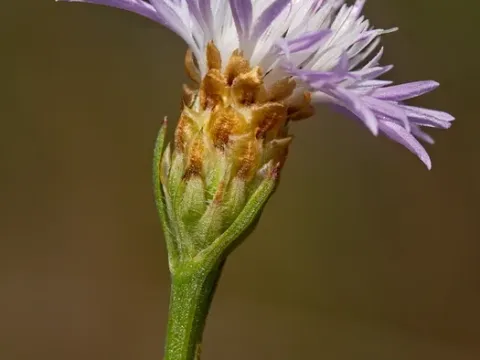
Centaurea dracunculifolia
Centaurea dracunculifolia
Sowing of Centaurea dracunculifolia should take place in early spring once soil temperatures have consistently reached at least 10 degrees Celsius. Ensure the seedbed is finely prepared to promote uniform germination across the field.
What the section contains
Centaurea dracunculifolia
For large-scale cultivation, use a row spacing of 50 centimeters. This allows for mechanical weeding and ensures that every plant has adequate access to sunlight and soil nutrients during the rapid growth phase.
Seeds should be placed at a depth of approximately 1 to 2 centimeters. Because the seeds are relatively small, it is crucial to maintain consistent surface soil moisture during the first two weeks of establishment.
Thinning is necessary once the seedlings have developed their first true leaves. Aim to maintain an intra-row spacing of 25 to 30 centimeters to ensure mature plants have sufficient space to develop their characteristic form.
Transplanting can be used as an alternative method for early-season production. Start seeds in plug trays in a greenhouse and move them to the field once the threat of killing frost has completely passed.
Centaurea dracunculifolia, a member of the Asteraceae family, requires full sun to maximize its vegetative development. Exposure to direct sunlight is essential for maintaining the quality and chemical composition of the plant.
The plant thrives in well-drained, sandy loam soils with a slightly alkaline pH. It does not tolerate waterlogged conditions, as persistent soil moisture can lead to root system failure and stunted growth.
Ideal temperatures range from 18 to 26 degrees Celsius. While it is hardy in many environments, the plant performs best when protected from extreme, drying winds which can stress the leaves and stems.
Watering requirements are moderate. The species possesses an efficient root system that allows it to withstand short-term drought, though supplemental irrigation is beneficial during the peak of the growing season.
Nutrient management should focus on balanced organic fertilizers. Excessive nitrogen application should be avoided as it encourages soft, succulent growth that is more susceptible to insect attack and winter damage.
Fungal pathogens such as powdery mildew represent a significant threat to Centaurea dracunculifolia, particularly in seasons with high humidity and limited air movement through the plant canopy.
Root rots are frequently associated with poor soil drainage and over-irrigation. Ensuring adequate spacing between plants and implementing proper drainage systems are the most effective preventative measures.
Insect pests, including aphids and spider mites, can cause severe damage during hot, dry spells. Regular scouting is essential to identify infestations before they reach levels that significantly impact yield.
Leaf-eating caterpillars may sporadically damage the foliage. Biological control agents or targeted, low-toxicity insecticides are recommended to minimize the impact on the overall crop health.
Crop rotation is mandatory to maintain soil health and reduce the risk of soil-borne diseases. Avoiding the planting of Centaurea species in the same plot for at least three seasons is considered best practice.