
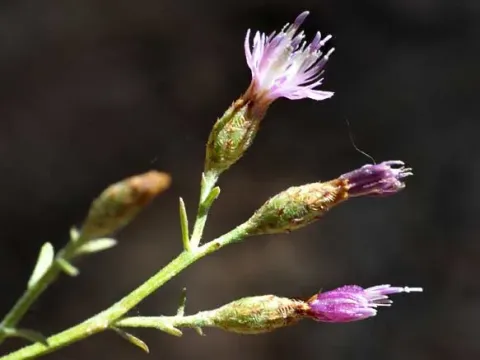
Castilian knapweed
Centaurea castellanoides
Castilian knapweed (Centaurea castellanoides) is a herbaceous perennial belonging to the Asteraceae family. This species is recognized for its adaptation to Mediterranean climates, where survival depends on efficient water management and tolerance to poor soil quality.
What the section contains
Castilian knapweed
The plant originates from the Iberian Peninsula, specifically inhabiting rocky and limestone-rich terrains. Its physiological traits allow it to thrive in nutrient-deficient soils where many other common crops would fail.
Agronomic success relies on providing high solar radiation and excellent soil aeration. The plant is drought-tolerant, but it requires well-drained conditions to prevent root collar rot during the dormant winter period.
Soil pH preference is generally neutral to alkaline. If soil conditions are too acidic, amending the field with lime is a recommended practice to improve plant health and nutrient uptake efficiency.
In terms of agricultural utilization, it is increasingly being explored for ornamental landscaping and as a nectar-producing crop that supports biodiversity in farm environments.
The primary threat to Castilian knapweed is fungal decay caused by excessive moisture. Waterlogging acts as a catalyst for root infections, leading to rapid plant decline during the vegetative stage.
Aphid infestations present the most significant pest pressure, specifically attacking the terminal buds and reproductive structures. If left uncontrolled, aphid colonies can severely reduce seed yields.
Powdery mildew may occur in poorly ventilated plantings with high relative humidity. Ensuring sufficient spacing between rows is a vital cultural practice to promote airflow and mitigate this risk.
Soil-borne larvae, such as those of the cutworm, can occasionally cause damage to the root system. Integrated pest management, including monitoring and biological control, is preferred over broad-spectrum chemicals.
Weed competition is a major factor during the establishment year. Because the plant grows slowly in its youth, mechanical or manual weed control is necessary until the stand is fully established.