
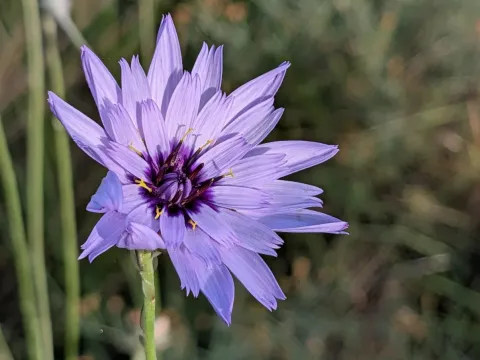
Catananche
Catananche L.
Seeds of Catananche are typically sown in early spring, as soon as the soil is workable. For a head start, seeds can be started indoors in trays during late winter, provided they are kept in a well-lit environment to support early growth.
What the section contains

Catananche
When sowing, place seeds on the surface of the soil and barely cover them with a light dusting of medium, as they require light to germinate. Maintain consistent moisture levels until the first seedlings emerge, usually within two to three weeks.
The ideal growing medium for seedlings is a light, porous mixture that encourages healthy root development. Once the seedlings develop a few true leaves, they should be carefully pricked out and transplanted into larger individual pots.
Hardening off the plants is a crucial step before moving them to their permanent outdoor location in late spring. This process helps the young plants adjust gradually to external temperatures and prevents transplant shock.
Proper spacing is essential when planting Catananche in the garden; allow at least 30 to 40 centimeters between individual plants. This density promotes better air circulation, which is vital for the overall health of the species.
Catananche is a genus within the Asteraceae family, originating from the Mediterranean. Due to its native habitat on rocky slopes, the plant is naturally adapted to withstand periods of drought and thrives in poor, rocky soil conditions.
The primary environmental requirement for Catananche is full sun exposure throughout the day. In shaded conditions, the stems tend to grow weak and leggy, leading to poor flower production and reduced aesthetic appeal.
The soil must be well-drained, preferably sandy or slightly alkaline, as the plant is highly sensitive to waterlogging. In regions with high rainfall, it is recommended to add coarse grit to the soil to improve drainage and aeration.
Although hardy, Catananche requires protection from excessive winter moisture, which can cause the taproot to rot. Mulching with gravel or keeping the base of the plant dry during the dormant season is a standard horticultural practice.
Maintenance tasks are minimal, focusing mainly on preventing weed competition in the early growth stages. Once established, Catananche is a robust plant that requires little to no additional fertilizing or supplemental watering.
Catananche is primarily cultivated for its use in the floral industry as a high-quality decorative element. Its papery bracts and striking blue or violet flowers make it a favorite for both fresh bouquets and dried floral arrangements.
To harvest for dried flower use, the blooms should be cut when they are just beginning to open. Harvesting in the morning after the dew has evaporated ensures the best quality and prevents fungal issues during the drying process.
Drying is achieved by hanging the stems upside down in a dark, dry, and well-ventilated room. This method preserves the natural color and the characteristic papery texture of the bracts for several months.
In garden settings, cutting back the spent flower stems will often encourage the plant to produce a second, albeit smaller, flush of flowers. This practice also prevents self-seeding if the gardener wishes to maintain a controlled layout.
The versatility of Catananche in landscaping stems from its ability to fit into rock gardens, borders, and xeric garden designs. It adds a unique texture and a sophisticated color palette that is highly valued by professional designers.
The most significant threat to Catananche is root rot caused by poor soil drainage. If the soil remains saturated for extended periods, the plant will likely succumb to fungal pathogens, making site selection the most important preventative measure.
Slugs and snails can cause substantial damage to young, tender leaves during the wet spring months. Implementing physical barriers, such as copper tape or a layer of sharp grit, is an effective way to protect young specimens.
Powdery mildew may develop on the foliage if air circulation is insufficient or if humidity levels are consistently high. Thinning out overcrowded plantings and ensuring full sunlight exposure are standard ways to manage this issue.
Aphids might occasionally infest the flower buds during exceptionally dry spells, though they rarely cause fatal damage. If an infestation occurs, a gentle blast of water or an application of insecticidal soap is usually sufficient for control.
Overall, Catananche is remarkably disease-resistant and rarely requires chemical intervention. By focusing on site suitability and maintaining dry conditions, gardeners can easily prevent the majority of potential health problems.