
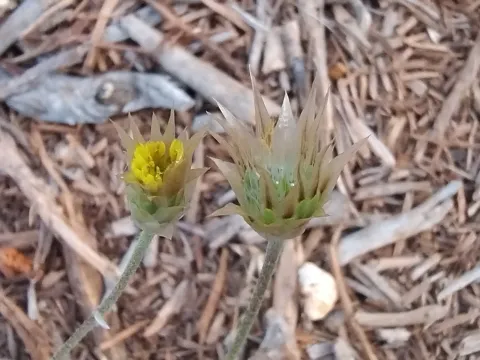
Catananche lutea
Catananche lutea
Catananche lutea belongs to the Asteraceae family. It is a hardy annual herb that requires specific environmental conditions to achieve optimal germination and growth rates.
What the section contains
Catananche lutea
The sowing process is typically initiated in early spring once the soil temperature consistently reaches 10 to 12 degrees Celsius. In regions with late frosts, starting seeds in individual peat pots indoors is highly recommended.
Seeds should be sown shallowly, as they require a minimal layer of substrate to ensure proper light exposure for germination. Keeping the seedbed consistently moist without waterlogging is crucial.
Maintaining a planting density of approximately 25-30 plants per square meter ensures adequate airflow, which is essential to prevent the spread of diseases within the crop canopy.
Using high-quality, sterilized soil mixtures for starting seeds helps prevent damping-off, a common issue during the initial development stages of this species.
Native to the Mediterranean basin, Catananche lutea is a sun-loving species that thrives in full exposure to direct sunlight. It performs poorly in shaded areas, often resulting in etiolated growth.
The plant prefers light, well-drained, sandy or gravelly soil types. Soils with high clay content that retain moisture are generally unsuitable unless amended with organic matter and drainage materials.
The pH levels should ideally range between neutral and slightly alkaline. The plant does not respond well to heavy fertilization, as excess nitrogen can lead to weak stems and diminished flowering quality.
Once established, the plant exhibits significant drought tolerance. During the growing season, deep but infrequent irrigation is superior to daily light watering, as it encourages deeper root system development.
Adequate ventilation is necessary for successful cultivation. Avoiding dense clusters of plants helps maintain a dry microclimate around the foliage, which is vital for plant health.
Catananche lutea is primarily cultivated for its use in the floral industry, particularly for creating high-quality dried flower arrangements. The flowers maintain their structure well after drying.
Harvesting should be timed when the flowers are fully opened but before the onset of senescence. Cutting in the early morning ensures the highest quality of the harvested material.
After harvesting, the stems are bundled and hung upside down in a shaded, well-ventilated area to dry. This technique preserves the natural yellow color and straightness of the flower stalks.
Beyond its aesthetic value, the crop serves as a beneficial plant for biodiversity, attracting pollinators such as bees and butterflies to agricultural landscapes during the summer months.
Economic potential lies in its low input requirements and marketability as a unique ornamental product. With minimal water and fertilizer, it offers a sustainable option for niche flower farming.
Root rot is the most significant threat to this crop, typically caused by poorly drained soils or excessive rain. Preventing water saturation is the primary method of disease management.
Powdery mildew may occur if planting density is too high, leading to reduced air circulation. Pruning infected parts and improving the spacing between plants can effectively control the spread.
Aphids occasionally target the succulent flower buds. If left unchecked, they can distort growth; however, they are usually manageable through standard integrated pest management practices.
Slugs and snails may present a risk to young seedlings during spring. Protective barriers or organic bait can be used to mitigate damage during the establishment phase.
- Implement strict crop rotation schedules.
- Maintain clear soil around the base of the plant.
- Prioritize well-draining soil selection.
- Regular field monitoring for early pest detection.