
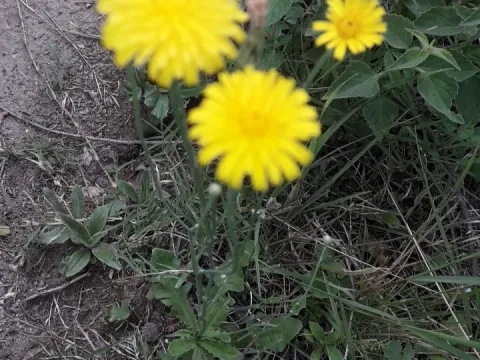
Catsear
Hypochaeris
Catsear (Hypochaeris) is a genus of perennial and annual plants belonging to the Asteraceae family. Often recognized for its resemblance to dandelions, this plant plays a significant role in pasture ecology and serves as a natural forage source for livestock.
What the section contains

Catsear
The native range of the genus includes Europe, parts of Asia, and Northern Africa, though it has naturalized globally in temperate zones. Its high adaptability allows it to thrive in various habitats, ranging from coastal grasslands to high-altitude mountain meadows.
Regarding cultivation requirements, Hypochaeris species prefer well-drained soils with moderate moisture levels. While they can tolerate nutrient-poor soils, they exhibit optimal growth in areas with good sun exposure and mild climate conditions, avoiding waterlogged sites.
Botanically, the plant is characterized by a basal rosette of lobed or entire leaves and erect, often branching stems. The yellow flower heads are distinct, and the seeds, equipped with a pappus, facilitate efficient dispersal over large agricultural territories.
Economically, catsear is valued as a constituent of natural hay meadows. Its foliage is highly palatable to grazing animals and offers a decent nutritional profile during the early stages of vegetation, contributing to the biodiversity of pasture ecosystems.
Common pests affecting Hypochaeris include various aphids and leaf-eating insects. These pests can significantly reduce the photosynthetic area of the plant, leading to stunted growth and lower biomass production in commercial or natural settings.
Fungal diseases, including leaf rust and powdery mildew, present a significant threat during periods of high humidity or poor field drainage. These pathogens can cause leaf necrosis and premature senescence if left unmanaged.
Effective management strategies emphasize cultural practices, such as maintaining optimal plant density and ensuring proper field drainage. Regular mowing can also disrupt the life cycles of specific pests and reduce the spread of fungal infections.
Biological control remains a preferred approach in sustainable agricultural systems. By promoting the presence of natural predators like ladybugs or predatory mites, farmers can keep pest populations within economic thresholds without heavy chemical use.
Soil fertility management is crucial for maintaining plant health. Ensuring that the soil is balanced with essential micronutrients strengthens the plant's cell walls, making it naturally more resistant to the invasion of pathogenic fungi and insect pests.