
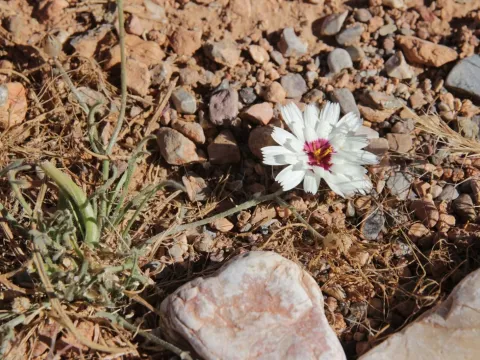
Catananche arenaria
Catananche arenaria
The cultivation of Catananche arenaria begins with careful seed selection. Seeds are typically sown in early spring, once the threat of severe frost has passed and the soil has reached a stable temperature.
What the section contains
Catananche arenaria
For successful germination, sow the seeds in well-drained, sandy soil at a depth of approximately 0.5 centimeters. It is crucial to maintain a consistent but light moisture level during the initial stages of development.
If utilizing a greenhouse for propagation, maintain temperatures between 16 and 22 degrees Celsius. Avoid over-watering the trays to prevent damping-off, a common issue with many plants in the Asteraceae family.
Transplanting seedlings to their permanent location should be handled with care to avoid root disturbance. These plants develop a deep taproot, making them somewhat sensitive to being moved once established.
Sowing in open ground is preferred in regions with mild climates, where the soil naturally mimics the plant’s wild habitat. Ensure spacing of at least 30 centimeters between plants to allow for proper airflow.
Catananche arenaria belongs to the Asteraceae family and is inherently adapted to arid, sandy environments. It requires full sun exposure for at least six to eight hours per day to thrive and produce blooms.
The ideal soil profile for this species is poor, sandy, and neutral to slightly alkaline in pH. It performs poorly in heavy clay or highly organic soils that retain moisture for too long.
Watering requirements are low, as the plant is highly drought-tolerant once established. Supplemental irrigation is only necessary during prolonged dry spells or the early stages of growth.
Temperature tolerance is broad, but the plant requires excellent drainage to survive winter conditions. It cannot withstand waterlogged roots, which often prove fatal during the colder months.
Fertilization is rarely needed and is often discouraged. Excess nutrients encourage weak, elongated growth that lacks the architectural strength typical of the wild species.
The most significant threat to the health of Catananche arenaria is root rot, driven by stagnant moisture in the root zone. Ensuring a gritty, well-draining substrate is the best preventative measure.
Aphids can become a nuisance during the peak flowering season. While these pests rarely kill the plant, they can deform flower buds and reduce the overall aesthetic value of the crop.
Mildew can occur in conditions where air circulation is restricted. If white, powdery growth appears on the foliage, immediate thinning of the planting area is recommended to promote ventilation.
Slugs and snails may target young seedlings, especially during rainy weather. Protecting young plants with physical barriers or targeted bait is often necessary in sensitive growing environments.
Routine monitoring is key to managing these threats. By identifying pests or diseases early, growers can use targeted treatments rather than broad-spectrum chemicals, preserving the ecosystem.