
Carthamus oxyacantha
Carthamus oxyacantha
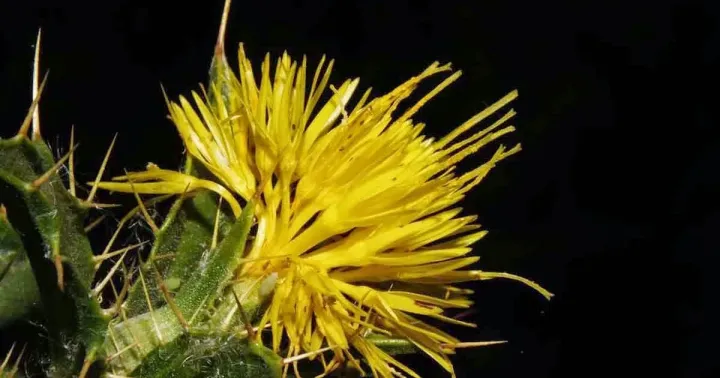
Description
Sowing dates
Sowing of Carthamus oxyacantha must be carefully timed with the soil temperature. Planting should occur when the ground reaches at least 8–10 degrees Celsius, ensuring favorable conditions for rapid germination.
The optimal planting depth is approximately 3 to 5 centimeters. This ensures that the seeds are placed in a zone with enough residual moisture while being shallow enough to emerge quickly without energy exhaustion.
Row spacing should be adapted to local moisture conditions. While denser sowing is possible in humid regions, wider rows are highly recommended in arid zones to minimize intra-crop competition for water resources.
Implementing a proper seeding rate is essential to prevent overcrowding. Overly dense stands can increase the risk of disease spread during periods of high humidity or erratic rainfall.
Post-sowing rolling is a standard practice recommended for this species to ensure excellent seed-to-soil contact. This step is crucial for achieving uniform field emergence, particularly in drier growing seasons.
Growing requirements
Carthamus oxyacantha is a resilient member of the Asteraceae family, well-known for its exceptional ability to thrive in harsh environments. It is naturally adapted to semi-arid climates and regions with limited precipitation.
The crop is highly flexible regarding soil types. It performs well on sandy loams, silty soils, and even those with moderate salinity levels, where many other traditional oilseed crops would fail to establish.
Intense sunlight is a critical requirement for this plant. As a heliophilic species, it needs unobstructed exposure to solar radiation to maximize photosynthesis and improve the final oil content of the seeds.
Soil preparation should focus on deep tillage to facilitate taproot penetration. This deep root system is the plant’s primary survival mechanism, allowing it to extract deep-seated moisture during summer droughts.
Nutrient management should be conservative. While phosphorus helps root architecture, excessive nitrogen application often leads to lush foliage growth that can actually decrease oil yield and invite pest attacks.
Main diseases and pests
Rust and fungal head rots are the most common pathological threats to Carthamus oxyacantha. These diseases thrive when canopy air circulation is poor or if there is excessive humidity during the flowering phase.
Preventive measures include strictly following a diverse crop rotation. Avoiding fields previously planted with other Asteraceae species reduces the pressure from soil-borne pathogens that target the plant’s roots.
Wireworms are recognized as the primary soil-dwelling pest that can devastate emerging stands. Proactive monitoring and the use of insecticidal seed treatments are effective ways to protect the crop during the early stages.
Aphid infestations may occur, especially in warm and dry conditions. If populations reach an economic threshold, systemic insecticides should be applied to prevent significant yield losses and potential damage to the flower heads.
Good field hygiene is essential. Post-harvest, crop residues should be incorporated into the soil effectively to minimize the carry-over of spores and eggs of pests that could compromise the following season's yield.