
Catananche caerulea
Catananche caerulea L.
Description
Sowing dates
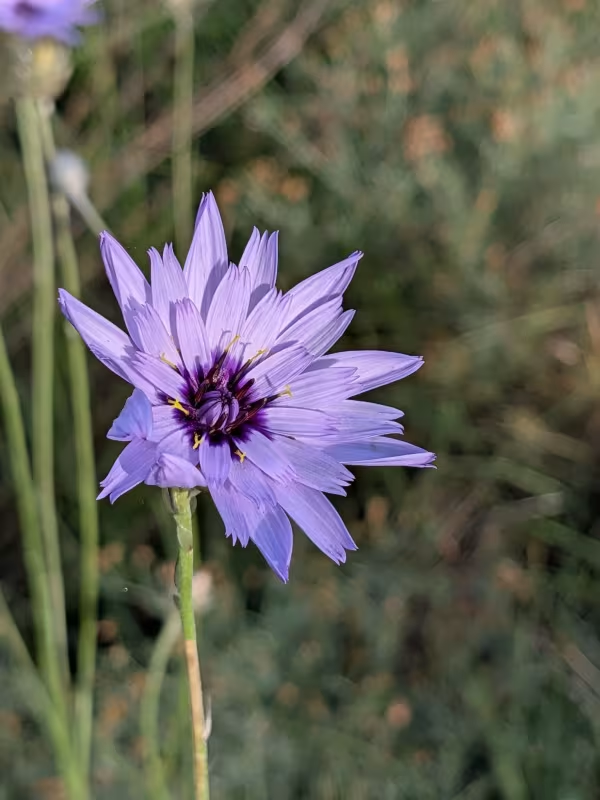
Catananche caerulea, commonly known as Cupid's Dart, is a perennial flowering plant belonging to the Asteraceae family. Seeds should be sown indoors in March or April under 18–20 degrees Celsius.
In regions with milder climates, direct sowing in the garden is possible during late May. Seeds need a shallow planting depth of approximately 0.5 centimeters to ensure adequate light exposure for germination.
Seedlings typically emerge within 14 to 21 days. Once the first two true leaves have developed, plants should be pricked out into individual pots to prepare them for final transplanting.
Hardening off the seedlings is crucial before placing them into the flower bed in June. Space the plants about 30–40 centimeters apart to prevent overcrowding and allow for healthy root development.
While the plant can self-seed, gardeners often prefer vegetative propagation through spring division of clumps to ensure the clones maintain the true blue color of the original cultivar.
Growing requirements
Originating from the Mediterranean region, Catananche caerulea thrives in full sun. It requires a sunny site to produce dense, vibrant blue flowers throughout the summer months.
Soil requirements are straightforward: the plant demands excellent drainage. Wet soil in winter is the primary cause of plant death, as it leads to root rot during dormant periods.
It performs best in poor, sandy, or rocky soil types with neutral to alkaline pH. Fertile soils that are too rich in organic matter can lead to weak, leggy growth and fewer blooms.
Once established, Cupid's Dart is highly drought-tolerant. Irrigation is generally only necessary during the first season of growth to ensure the plant settles into its new environment.
In colder zones, it acts as a short-lived perennial or requires winter protection. Providing a layer of dry mulch or choosing a site with high soil porosity helps ensure survival.
Main diseases and pests
Excessive soil moisture is the greatest threat to this plant. Poorly drained sites often lead to crown rot, which can destroy established plants during the cool, wet winter months.
Powdery mildew may occur in areas with stagnant air or high humidity. Maintaining proper spacing between plants is the most effective cultural method to prevent fungal development.
Aphids can occasionally target the succulent young stems. If an infestation occurs, treating with insecticidal soap or neem oil is usually sufficient to control the population.
Slugs and snails can cause damage to young seedlings in the spring. Using protective barriers or organic bait around the planting area helps protect the foliage from early-season grazing.
Overall, Catananche caerulea is a robust and resilient garden plant. By providing well-draining soil and avoiding excess nutrients, you can keep the plants healthy for many years.
Harvesting
Catananche caerulea is highly valued for its papery bracts and long-lasting blooms. For fresh floral arrangements, stems should be harvested when the florets are fully open.
For dried floral displays, harvest the stems when the buds are just beginning to show color. Hang them upside down in a dark, cool, and well-ventilated area to dry properly.
The papery texture of the bracts makes these flowers ideal for dried arrangements, as they retain their distinct sky-blue hue for months after they have been harvested.
Seed collection is most successful in late August. Since seeds ripen rapidly and disperse easily, bag the flower heads with paper covers or harvest them before complete dehydration.
Deadheading spent flowers throughout the season will prevent unwanted self-seeding and redirect the plant's energy into producing a new flush of flowers until autumn.