
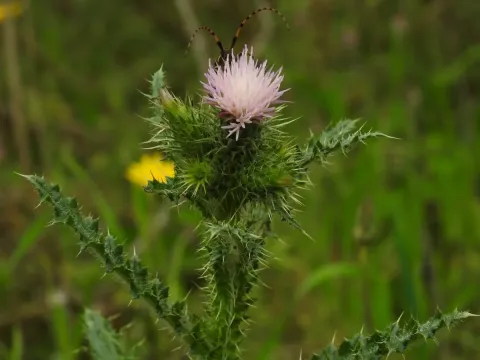
Carduus meonanthus
Carduus meonanthus
Carduus meonanthus is a herbaceous plant that primarily follows an annual or biennial growth cycle. Seed germination typically begins in the spring when soil temperatures reach the threshold required to activate the embryo.
What the section contains
Carduus meonanthus
In an agricultural setting, controlling plant density is crucial as the vigorous vegetative growth can suppress surrounding vegetation. The period from germination to flowering represents a significant portion of the total growing season.
Autumn sowing is only feasible in climates with mild winters where seeds can undergo natural stratification without suffering frost damage. In colder regions, such attempts often lead to seedling mortality.
Effective population management requires precise seed placement. Shallow planting increases germination rates, whereas deep plowing serves as a primary mechanical control method to bury seeds beyond their viable sprouting depth.
Crop rotation programs should include inter-row cultivation to manage populations effectively. This practice allows for the removal of young rosettes before they transition into the stem-elongation phase.
Carduus meonanthus thrives in well-lit environments, as it is a highly photophilous species. Shade exposure significantly reduces photosynthetic efficiency and slows the overall development of the plant stem.
The plant shows high adaptability to various soil types, although it performs best in loamy, neutral pH soils. Its robust taproot system allows it to withstand temporary periods of drought better than many competing weeds.
Excessive soil moisture is detrimental, as it encourages root rot and hinders the plant's physiological development. Proper field drainage is essential to maintain plant health and prevent widespread decay.
The optimal temperature range for successful vegetation is between 18 and 25 degrees Celsius. Extreme heat often triggers premature flowering, which may lead to reduced biomass production and seed quality.
Adequate air circulation is necessary for healthy development. Dense planting conditions often lead to microclimates that increase humidity around the base of the plant, promoting fungal pathogens.
Fungal diseases, particularly powdery mildew, are among the most significant threats to Carduus meonanthus. A white fungal coating on the leaves impairs photosynthesis and severely weakens the plant.
Pests such as aphids and various weevils frequently target the reproductive structures. These insects damage flower heads, which directly reduces the viability and yield of the seed bank.
Rust disease is another major concern, characterized by brown, necrotic spots on the foliage. Under humid conditions, it can spread rapidly across a field, leading to severe leaf senescence.
Mechanical injuries caused by insects often serve as entry points for secondary bacterial infections. These pathogens cause tissue decay, leading to the rapid collapse of the plant stem.
Management strategies involve a combination of fungicide applications and rigorous field sanitation. Removing infected plants promptly is essential to curb the spread of pathogens to healthy crops.
Harvesting Carduus meonanthus requires specific handling protocols due to the plant's sharp spines. The optimal time for collection is when seeds reach full maturity and the flower heads turn brown.
Mechanized harvesting is complex and requires specialized equipment to separate the plant material effectively. Small-scale collection is often performed manually using protective gear to handle the prickly vegetation.
Post-harvest, seeds must be dried thoroughly in well-ventilated areas to prevent spoilage. Proper moisture management is vital to inhibit mold development and ensure the longevity of the seeds.
Seeds should be stored in breathable containers in a dry, cool location. Protection against rodents and other pests is a standard requirement for maintaining seed quality during long-term storage.
The timing of the harvest is critical for maximizing yields. Delaying the process too long often results in natural seed dispersal, leading to significant losses before the material can be collected.