
Carlina frigida
Carlina frigida
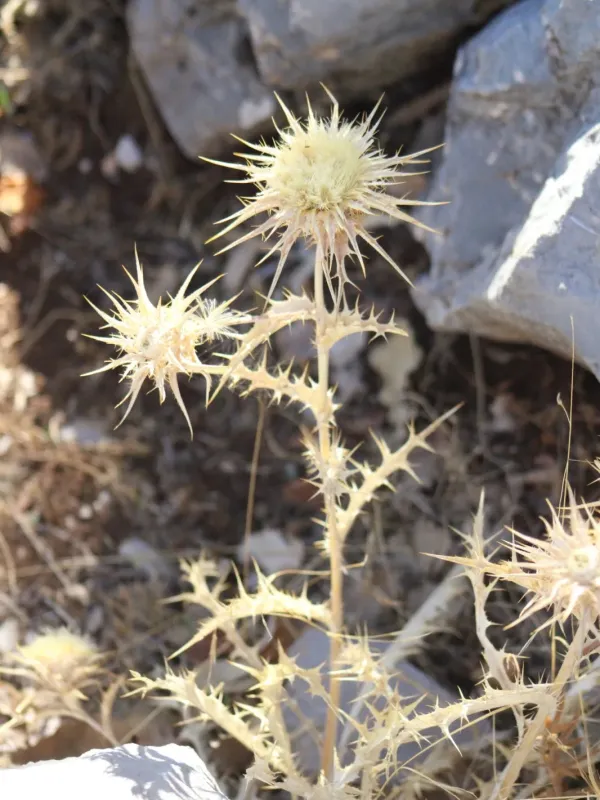
Description
Growing requirements
Carlina frigida is a herbaceous perennial plant belonging to the Asteraceae family. It is naturally adapted to high-altitude environments, predominantly found in the subalpine and alpine zones of mountain ranges in Central and Southern Europe.
This species thrives in open, sunny locations with well-drained, rocky or sandy soil. It is highly valued for its extreme hardiness and its ability to withstand the harsh environmental conditions characteristic of mountainous terrain.
When cultivating this plant, it is essential to ensure a neutral to slightly alkaline soil pH. Drainage is the most critical factor; waterlogged soil is fatal to the plant, as it leads to root rot and premature death of the specimen.
The climate requirements include high solar radiation and good air circulation. Carlina frigida does not perform well in low-lying areas where cold air, fog, or excessive humidity might accumulate during the growing season.
In terms of agricultural practice, minimal fertilization is needed. In fact, high nutrient levels can cause the plant to lose its typical dense, compact habit, making it more susceptible to environmental stress and reduced vitality.
Main diseases and pests
The primary threat to Carlina frigida is fungal infection, particularly powdery mildew, which often appears in conditions of poor air circulation or high humidity. Removing affected leaves is a necessary management step.
Root system pathogens, such as Phytophthora or Pythium species, represent a significant danger if the soil moisture content remains too high for extended periods. Preventive measures include strictly controlled irrigation protocols.
Aphids are the most common insect pests that target young shoots and flowers. They can cause stunted growth and weaken the plant, making it necessary to monitor the population and apply control measures if threshold levels are exceeded.
Leaf-eating insects can be problematic during the early vegetative phase. While the plant is quite resilient, significant defoliation can reduce its ability to store energy for the subsequent winter period.
Maintaining a healthy crop involves regular site scouting and keeping the surroundings free of weeds that could harbor pests. Ensuring that the soil structure remains loose and aerated is the most effective long-term defense against most soil-borne threats.