
Calocephalus lacteus
Calocephalus lacteus
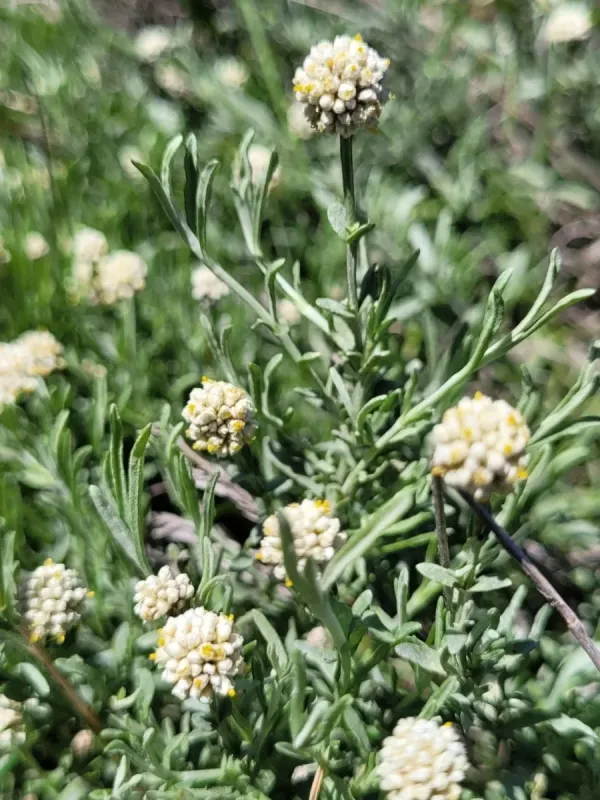
Description
Growing requirements
Calocephalus lacteus is a perennial herbaceous plant belonging to the Asteraceae family. Native to Australia, it is well-adapted to arid and semi-arid environments, thriving in sunny and open landscapes.
The plant is highly valued for its striking silvery-grey foliage, which provides a unique structural element in garden design. It forms a dense, bushy structure, making it ideal for creating visual contrasts with greener, more colorful species.
For optimal development, this culture requires sandy, well-draining soil. It is particularly sensitive to waterlogged conditions, which can lead to rapid root decay, therefore high soil aeration is a critical management priority.
This species is highly drought-tolerant once established and prefers full sun exposure. It is well-suited for xeriscaping and sustainable gardening projects where water conservation is a primary concern for the gardener.
In terms of usage, Calocephalus lacteus is widely utilized as a decorative border plant or as a filler in rock gardens. Its ability to maintain a compact, tidy shape with minimal pruning makes it popular for low-maintenance landscaping.
Main diseases and pests
The main threats to this species are fungal infections resulting from poor drainage or excessive humidity. Rot symptoms usually appear at the base of the plant, often spreading quickly during humid seasons.
Common pests include aphids and spider mites, which can thrive in hot and dry climates. These insects target tender new growth, causing stunted development and leaf discoloration if left untreated.
Management of fungal issues relies on preventative measures, primarily maintaining a strict irrigation schedule and ensuring the planting site has excellent drainage properties to prevent standing water.
Control of insect infestations involves periodic inspections and the application of appropriate horticultural oils or systemic insecticides when colonies are detected on the stems or leaves.
Proper plant spacing is essential to ensure adequate airflow, which is a major factor in reducing the risk of pests and diseases. Removing diseased plant parts promptly helps to contain and prevent the spread of infections throughout the bed.