
Bearded beggarticks
Bidens polylepis
Description
Sowing dates
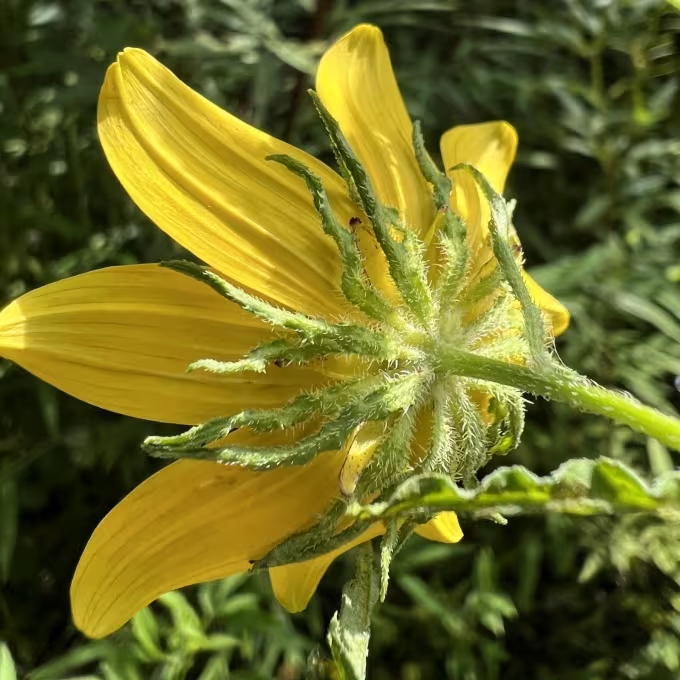
Bearded beggarticks (Bidens polylepis) is a member of the Asteraceae family, recognized for its vibrant yellow blossoms that add significant ornamental value to landscapes.
Direct sowing in the field should occur in mid-spring, ensuring the soil has warmed up to at least 15 degrees Celsius to facilitate rapid germination of the seeds.
For gardeners planning an early display, indoor starting is recommended about 6 to 8 weeks before the last frost date, using sterile seed-starting mix.
The seeds are light-sensitive and should be pressed firmly onto the surface of the soil, covered only with a very light dusting of vermiculite or fine soil.
Space the plants approximately 25 to 30 centimeters apart to ensure adequate airflow, which is crucial for preventing humidity-related issues in dense plantings.
Growing requirements
Native to North America, this species thrives in moist to wet habitats including marshes, riverbanks, and areas with periodic flooding, indicating its preference for high moisture.
While tolerant of various soil types, the best performance is achieved in rich, moist loamy soils that possess good water-retention capabilities throughout the growing season.
This crop demands full sun exposure; while it may tolerate light partial shade, maximum flowering intensity and height are only realized in direct sunlight.
Maintenance involves diligent watering, especially during heatwaves, as this plant does not have significant drought tolerance compared to other Asteraceae species.
Mulching around the base of the plants helps to maintain consistent soil moisture levels and reduces the emergence of competing weed species.
Main diseases and pests
Like many species in the genus Bidens, the plant is generally robust, but it can be susceptible to powdery mildew if placed in environments with poor air circulation.
Aphids are the most common pests observed on the tender foliage and flower buds, requiring prompt attention if infestation levels begin to affect plant health.
To manage threats effectively, integrated pest management strategies should be employed, prioritizing cultural controls such as spacing and proper watering over chemical intervention.
Fungal diseases can often be prevented by ensuring the foliage remains as dry as possible, especially during evening hours when dew can promote spore germination.
If chemical controls are necessary, select products that are safe for beneficial pollinators, as the flowers of this plant are highly attractive to bees and butterflies.