
Bayonne ragwort
Senecio bayonnensis
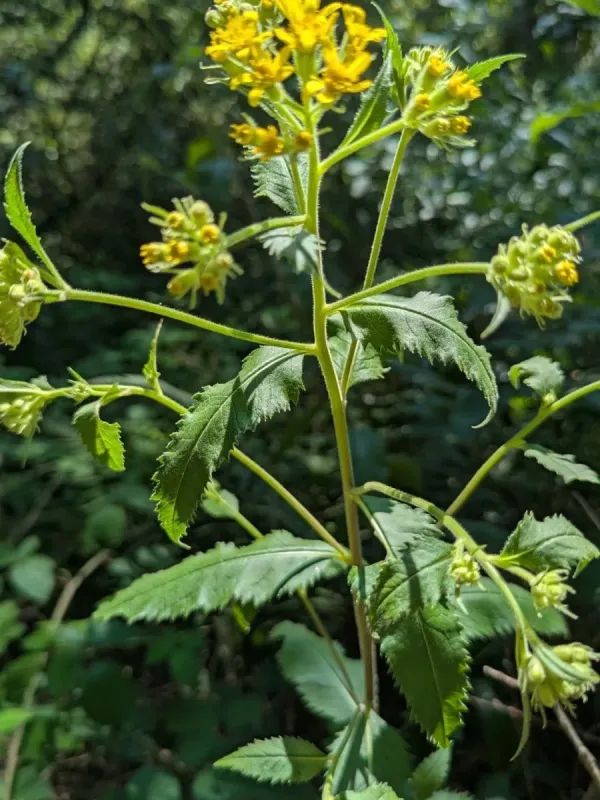
Description
Growing requirements
Bayonne ragwort (Senecio bayonnensis) is a perennial herbaceous plant belonging to the Asteraceae family. As a niche agricultural or botanical subject, it requires specific environmental conditions to thrive and express its biological potential.
The plant is native to the southwestern regions of France, particularly around the Bayonne area. It has adapted to coastal climatic conditions, requiring temperate temperatures and a balance of maritime air humidity throughout the growing season.
Cultivation should take place in well-drained, sandy or loamy soils. Excellent drainage is critical, as the roots of Senecio species are highly susceptible to rot if water stagnation occurs in the substrate for extended periods.
This species is photophilous, necessitating full sun exposure for healthy growth and optimal development of its foliage. Providing adequate light prevents the stems from becoming weak or etiolated, which is vital for maintaining plant vigor.
Soil nutrient management is essential for yield stability. While the plant can tolerate poor soils, supplemental potassium and balanced micronutrient applications during the active growth phase significantly enhance plant resistance to environmental stress.
Main diseases and pests
The primary threats to Senecio bayonnensis include various fungal pathogens such as powdery mildew, which thrive in damp or humid conditions. Preventive cultural practices are the most effective management tools for minimizing infection rates.
Pests like aphids and spider mites are common in these crops, frequently damaging leaf surfaces and reducing overall productivity. Integrated pest management strategies, focusing on biological controls, are highly recommended.
Soil-borne pests can pose a significant threat to the root system, potentially weakening the entire plant. Regular monitoring and maintaining appropriate soil moisture levels are necessary to prevent population surges of harmful insects.
Viral pathogens may also affect the plant's health, often transmitted by common greenhouse or field insect pests. Ensuring high standards of sanitation in the field or nursery environment is crucial for disease prevention.
To ensure healthy development, maintaining spatial isolation from wild relatives is advised. This reduces the risk of cross-contamination and the spread of host-specific diseases throughout the cultivated area.