
Bartlettina sordida
Bartlettina sordida
Description
Growing requirements
Bartlettina sordida is an ornamental perennial plant belonging to the Asteraceae family. Originally native to the mountainous regions of Central America and Mexico, it is highly valued for its lush foliage and distinct growth habit.
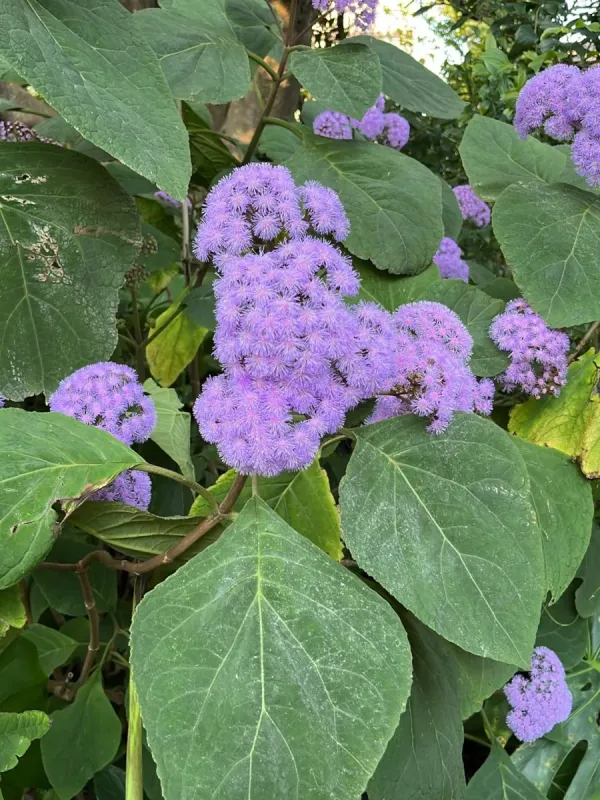
Botanically, it presents as a semi-shrub that can reach significant sizes when grown in suitable environments. Its large, textured leaves are a key feature, often covered with fine hairs that give the plant a soft, velvety appearance.
To thrive, this crop requires a protected location with bright, indirect light. It prefers high-humidity environments, making it particularly well-suited for greenhouse cultivation or conservatory settings in colder climates.
The soil should be rich in organic matter and must offer excellent drainage to prevent root rot. Maintaining consistent soil moisture is essential, especially during the active growing season, as the plant does not tolerate prolonged drought.
Standard horticultural practice involves regular pruning to maintain a bushy shape and encourage new growth. Fertilization with a balanced liquid fertilizer every few weeks during the spring and summer months supports vigorous development.
Main diseases and pests
The primary pests affecting Bartlettina sordida are spider mites and mealybugs. These typically thrive in warm, dry indoor environments, often clustering on the undersides of leaves or in the joints of the stems.
Fungal pathogens represent another significant threat, particularly those that thrive in stagnant, humid air. Diseases such as powdery mildew or various root rot conditions can develop if airflow is restricted and the soil remains overly saturated.