
Cape weed
Arctotheca calendula (L.) Levyns
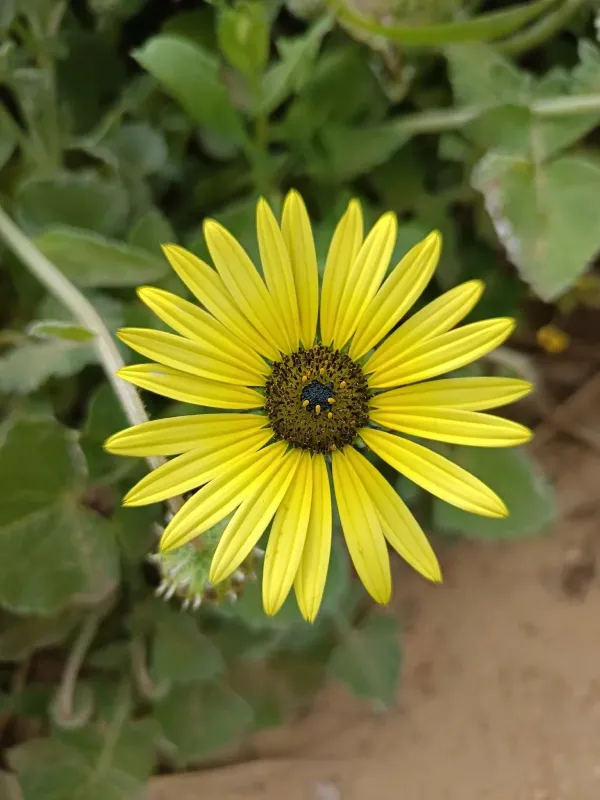
Description
Sowing dates
Cape weed (Arctotheca calendula) is an annual or perennial herb from the Asteraceae family, well-known for its invasive nature. Seed germination primarily occurs in autumn and early spring, triggered by favorable moisture levels in the topsoil.
The plant spreads rapidly through prolific seed production, making it a persistent issue in cultivated areas. Successful management requires intensive soil cultivation before the seeds reach maturity to prevent population expansion.
Flowering typically spans from late summer through autumn, during which time the plant develops large, daisy-like yellow flowers. Ensuring seed purity is vital to avoid spreading this species into clean agricultural fields.
Optimal germination depth for these seeds is very shallow, usually within the top 1-2 centimeters of the soil surface. Tillage practices that bury seeds deeper can significantly suppress initial sprout emergence.
Due to its high competitive ability, the plant can quickly monopolize available resources, potentially reducing yields of target crops. Continuous monitoring is essential for early detection in field crops.
Growing requirements
Cape weed thrives in full sun and prefers well-drained soil types. It is highly adaptable, flourishing in sandy or disturbed soils where other plant species often struggle due to nutrient limitations.
A notable characteristic is its high tolerance to saline conditions, which allows it to dominate coastal habitats and degraded agricultural landscapes. It manages well during periodic drought cycles.
The ideal temperature range for active vegetative growth is between 15 and 25 degrees Celsius. The plant shows resilience to light frosts, enabling it to maintain green cover throughout the cooler months of the year.
The plant is remarkably resistant to grazing and foot traffic, which often stimulates regrowth from its basal rosette. This durability makes it a problematic weed in grazing lands and pastures.
Maintaining soil health and high crop density is recommended to shade out potential Cape weed seedlings. Proper land management reduces the establishment of creeping stems and prevents long-term site infestation.
Main diseases and pests
Cape weed is known for having few natural pests or diseases that successfully suppress its growth, which contributes to its status as an invasive species. This lack of natural enemies poses a challenge for integrated pest management.
While some fungal pathogens may affect the root system in waterlogged conditions, these rarely cause significant damage to the overall population. The plant is quite robust against common crop pathogens.
Chemical control remains the standard in agricultural settings. The use of selective herbicides applied at the early rosette stage is the most effective approach for minimizing field competition.
Biological control research is ongoing in several countries to identify insects that could reduce the plant's spread. Until then, mechanical removal remains a primary defense for farmers and land managers.
- Mechanical cultivation of soil
- Early-stage herbicide application
- Maintaining high pasture density
- Phytosanitary inspection of seeds