
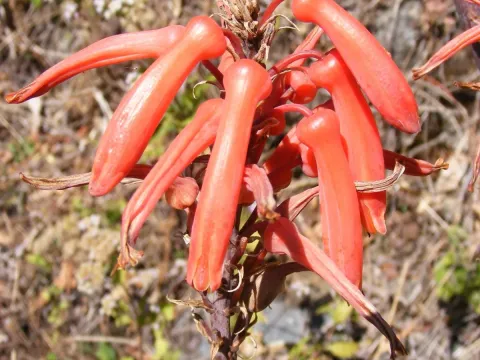
Aloe affinis
Aloe affinis
Aloe affinis is a succulent plant species within the Asphodelaceae family, indigenous to the rocky slopes of Mpumalanga province in South Africa.
What the section contains
Aloe affinis
This species is highly valued for its rosette-forming foliage, which features striking spots and serrated margins, reflecting its natural adaptation to arid mountain environments.
Successful cultivation requires a gritty, well-draining soil mix; standard commercial succulent mixes often need additional drainage material like perlite or pumice to ensure root health.
The plant thrives under bright, filtered sunlight; while it can withstand some direct morning light, protection from intense midday heat is recommended to maintain leaf integrity.
Temperature management is critical, as the plant prefers moderate conditions during the growing season and requires protection from freezing temperatures, which can severely damage the plant's cell structure.
Root rot remains the most significant threat to Aloe affinis, typically caused by overwatering or soil mixes that retain excessive moisture for too long.
Mealybugs are common pests that tend to hide deep within the dense leaf rosettes, necessitating periodic checks and the use of systemic insecticides if an infestation occurs.
Scale insects can also adhere to the leaves, forming protective waxy coverings that protect them from manual removal, requiring prompt intervention with horticultural oils.
Fungal infections can manifest as black or brown spots on the foliage, often exacerbated by poor air circulation and high humidity levels in indoor settings.
Maintaining a clean growing environment and ensuring adequate space between plants helps mitigate the risk of pest outbreaks and ensures vigorous growth of the succulent.