
Aloe abyssinica
Aloe abyssinica
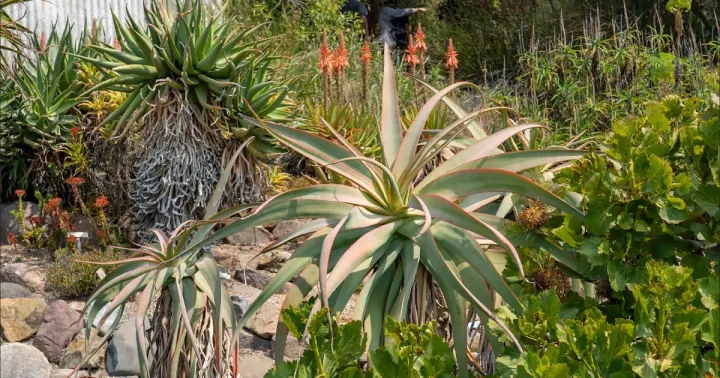
Description
Growing requirements
Aloe abyssinica is a perennial succulent plant belonging to the Asphodelaceae family. Native to the arid regions of East Africa, including Ethiopia and Eritrea, this species has evolved to thrive in harsh, rocky environments with limited water availability.
The primary requirement for successful cultivation is exposure to intense, direct sunlight. As a desert-adapted plant, it requires full sun exposure for several hours each day to maintain its compact growth form and promote the accumulation of secondary metabolites.
Soil composition is critical for this species; it necessitates a highly porous and well-draining substrate. Using standard potting soil often leads to root suffocation, so a mixture composed of coarse sand, perlite, and gravel is strongly recommended for agricultural success.
Temperature control is essential, as Aloe abyssinica is highly intolerant to freezing conditions. The plant performs best in a temperature range between 20°C and 30°C and requires a clear dry season to enter a period of natural metabolic dormancy.
Watering practices should follow the "soak and dry" method, where the substrate is allowed to dry out completely before the next irrigation event. Overwatering is the most common mistake in managing this crop, as it quickly leads to irreversible physiological damage.
Main diseases and pests
Root rot, caused by fungal pathogens triggered by high moisture and poor drainage, is the primary threat to Aloe abyssinica. Once the root system begins to decay, the infection often spreads to the main stem, making the plant difficult to salvage.
Pest infestations typically include mealybugs and scale insects, which hide in the tight leaf axils of the rosette. These pests extract plant sap, resulting in stunted growth and potentially introducing secondary viral or fungal diseases to the plant.
Spider mites can become a significant issue in greenhouse conditions where ventilation is inadequate and air humidity is too low. Their presence is marked by fine webbing and stippling on the leaves, which detracts from the plant's aesthetic and medicinal value.
Prevention involves maintaining strict environmental parameters, specifically ensuring optimal airflow around the plant rosettes. Removing dead leaves and debris from the base of the plant reduces the habitats available to common succulent pests.
For large-scale management, a systematic monitoring program is necessary to identify localized pest outbreaks early. Using systemic insecticides may be an option, but must be applied cautiously to prevent physiological stress or chemical burns on the leaf epidermis.