
African Aloe
Aloe africana
Description
Growing requirements
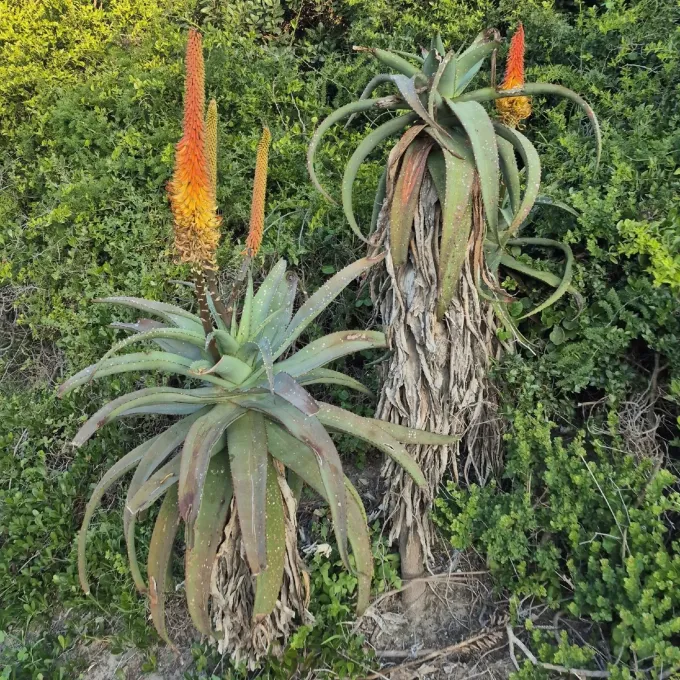
African Aloe (Aloe africana) is a succulent shrub belonging to the Asphodelaceae family, native to the diverse arid landscapes of South Africa.
The cultivation of this plant requires well-draining, sandy-loam soils to prevent the accumulation of moisture around the root zone, which is critical for its survival.
It thrives in full sunlight environments, and insufficient light often leads to etiolation and a significant reduction in the plant's structural integrity.
The climate requirements involve warm, frost-free conditions, making it suitable for Mediterranean or semi-arid climates where temperatures remain consistently above 10°C.
Agronomic management is characterized by minimal intervention, focusing on deep, infrequent watering cycles and maintaining a dry environment during the dormant season.
Main diseases and pests
The primary threats to Aloe africana are fungal pathogens, specifically root rot, which typically develops in poorly aerated or waterlogged growth media.
Mealybugs are the most persistent insect pests, clustering in protected areas of the leaves and stems, leading to stunted growth and secondary infections.
Spider mites can also infest the plant during prolonged dry spells, causing chlorosis and a faded appearance on the thick, fleshy leaves.
Stem borers occasionally attack the plant base, creating structural weaknesses that can lead to the total collapse of the succulent stem under its own weight.
Effective management strategies require proper plant spacing to improve airflow, coupled with early detection of pests and standard integrated pest control measures.