
Pararistolochia triactina
Pararistolochia triactina
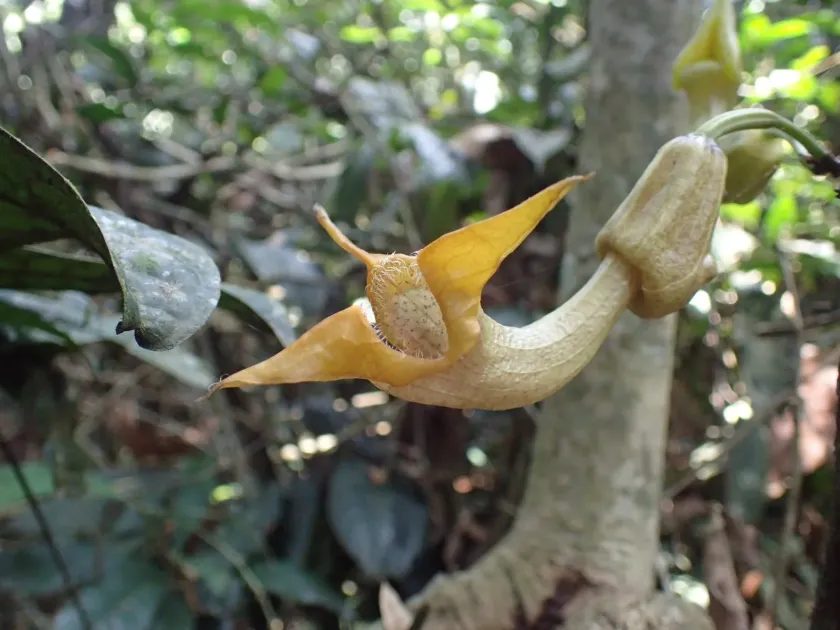
Description
Growing requirements
Pararistolochia triactina is a woody climber species belonging to the Aristolochiaceae family. It is native to the humid tropical forest ecosystems of Central and West Africa, where it thrives in shaded forest understories.
The plant requires a high-humidity environment with temperatures consistently staying between 22 and 26 degrees Celsius. It is highly sensitive to cold drafts and requires protection from direct, intense sunlight which can scorch its broad leaves.
Cultivation success depends on the use of well-draining, humus-rich soil that mimics the forest floor. Maintaining soil moisture is essential, but substrates should not be allowed to become waterlogged, as this leads to rapid root decay.
Botanically, the species is characterized by its complex, tubular flowers and vigorous vining growth habit. It requires substantial vertical support structures to grow effectively in controlled environments like greenhouses or conservatories.
The plant serves primarily as an ornamental specimen in botanical collections. Its study is also significant for understanding the chemical diversity within the Aristolochiaceae family, which contains unique secondary metabolites.
Main diseases and pests
Root rot, caused by excessive soil moisture and poor oxygenation, is the most common threat to Pararistolochia triactina in captivity. Proper drainage systems are essential to prevent this physiological disorder.
Spider mites are common pests that thrive in the indoor environment, especially during lower humidity periods. Regular misting and proper air circulation are key preventive measures against these infestations.
Mealybugs can often be found in the leaf axils, causing stunted growth and yellowing of the foliage. Early detection and manual removal or the application of insecticidal soaps are recommended treatments.
Fungal leaf spot diseases may appear if the canopy becomes too dense and airflow is restricted. Maintaining a proper pruning schedule helps keep the plant healthy and reduces the risk of fungal outbreaks.
Root-knot nematodes can cause severe damage if the plant is grown in contaminated soil. Using sterilized potting mixes is a critical component of successful agricultural practice for this tropical vine.