
Pararistolochia mannii
Pararistolochia mannii
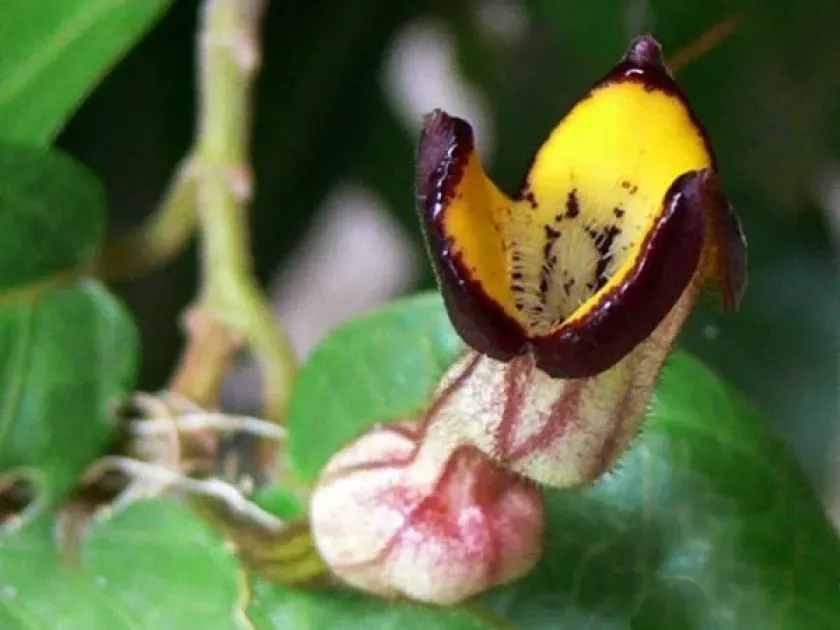
Description
Growing requirements
Pararistolochia mannii is a distinct perennial climbing plant belonging to the Aristolochiaceae family. Native to the lush tropical rainforests of West and Central Africa, this species naturally thrives in shaded, high-humidity environments typical of the forest floor and understory layers.
Cultivating this species requires precise environmental control, mimicking the conditions of its native habitat. A stable temperature range, protected from temperature fluctuations and cold drafts, is essential for its survival, making it a plant suitable primarily for conservatories.
The plant demands a rich, loose, and well-draining soil mix that mimics leaf litter found on the forest floor. A substrate that retains moisture while preventing waterlogging is crucial for the healthy development of its root system and stems.
Light management is a vital aspect of Pararistolochia mannii care. As a shade-loving climber, it should be provided with bright, indirect light. Direct exposure to intense sunlight can damage the foliage and cause stress to the plant structure.
Watering requirements center on maintaining consistent soil moisture. The plant does not have a high tolerance for drought, meaning that regular irrigation is necessary, provided the drainage is adequate to prevent the development of root-borne pathogens.
Main diseases and pests
Pathogens and pests remain a constant concern for this tropical vine, especially in glasshouse settings where air circulation might be insufficient. Poor ventilation often leads to fungal outbreaks, including powdery mildew, which can significantly damage the leaves.
Spider mites are the most common pest threats to Pararistolochia mannii. These small arachnids thrive in conditions where the air is stagnant, frequently infesting the undersides of leaves and sucking sap, which stunts the plant's overall growth.
Effective management strategies include routine inspections of the foliage to identify pest infestations early. Integrated pest management, focusing on biological controls and maintaining optimal humidity levels, is preferred over the use of harsh chemicals.
Root rot, driven by stagnant water and overly compacted soil, poses a severe risk. To prevent this, growers must ensure that pots have adequate drainage holes and use professional, porous potting media that allows for healthy root respiration.
Maintenance practices, such as pruning dead leaves and ensuring sufficient spacing between plants, are essential to mitigate the risk of disease transmission. Proper hygiene within the cultivation environment supports the long-term vitality of the specimen.