
Thottea
Thottea
Thottea is a genus of evergreen herbaceous plants or small shrubs belonging to the Aristolochiaceae family. In their natural habitat, these plants are primarily found in the tropical forests of South and Southeast Asia.
What the section contains


Thottea
Successful cultivation requires high atmospheric humidity and a consistently warm climate without abrupt temperature shifts. These plants thrive in shaded areas, having adapted to the lower layers of dense forest canopies.
Soil requirements involve well-drained, fertile substrates enriched with organic matter. Maintaining constant soil moisture is essential, provided that waterlogging is avoided, as it can cause fatal damage to the root system.
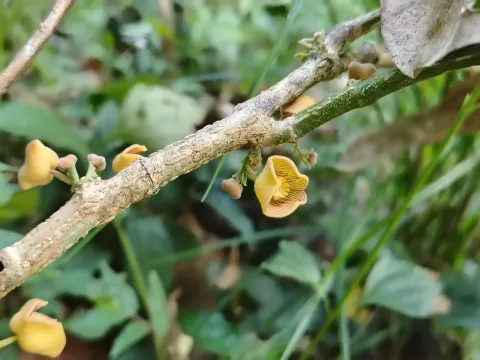
Botanically, the plant is characterized by its large, alternate leaves and distinctive actinomorphic flowers, which often exhibit specific color patterns designed to attract pollinators.
In terms of economic use, species within the Thottea genus are currently being studied for their potential as sources of bioactive compounds, specifically alkaloids that exhibit anti-inflammatory and antimicrobial properties in traditional medicine.
The primary threats to the healthy development of these plants are fungal infections, which often occur due to excessive humidity and inadequate ventilation in indoor or greenhouse settings.
In both native environments and during introduction, the culture may be susceptible to various leaf-chewing insects and specific tropical pests, such as spider mites, when humidity levels drop.
Root rot remains one of the most dangerous pathogens, making prevention through the strict control of soil acidity and structural integrity a top priority.
Difficulties can also arise during rapid temperature fluctuations, which often lead to leaf drop and a significant deceleration of the overall vegetative process.
Integrated plant management requires the use of gentle biological products, as many species within this genus are highly sensitive to synthetic chemical fungicides.