
Saruma henryi
Saruma henryi
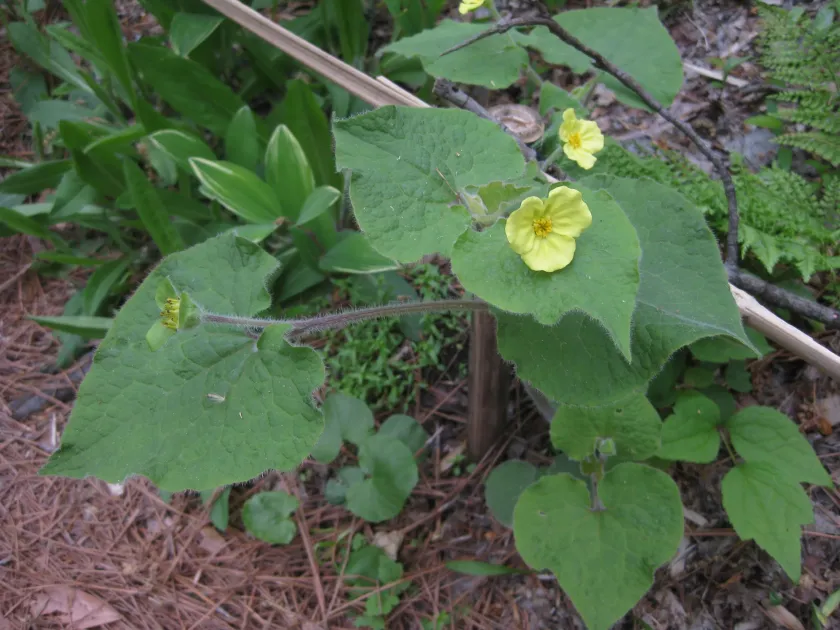
Description
Sowing dates
Saruma henryi is a unique perennial member of the Aristolochiaceae family, known for its elegant heart-shaped foliage and delicate yellow flowers. Propagation is primarily achieved through seeds or careful rhizome division.
Seeds require a period of cold stratification to break dormancy. Sowing should be performed in late autumn or early winter in a well-draining seed-starting mix, kept in a cool location until germination occurs in spring.
When propagating by division, the operation should be performed in early spring as new growth begins to emerge. It is essential to ensure each division retains a portion of the rhizome with viable growth buds.
New plants should be established in pots for one season before being transplanted into the permanent garden site. This allows the root system to become robust enough to handle the transition to open ground.
Spacing is a critical factor for success; planting specimens about 50 centimeters apart ensures proper air circulation and reduces competition for nutrients during the peak growing season.
Growing requirements
This species thrives in shade or partial shade, mimicking the conditions of its native woodland habitats in China. Excessive exposure to direct sunlight will cause the leaves to scorch and yellow prematurely.
The ideal soil is rich in organic matter, consistently moist, yet exceptionally well-drained. Incorporating generous amounts of leaf mold or compost into the planting hole is highly recommended to improve soil quality.
Water management is crucial; while the plant enjoys moisture, it should never be left sitting in waterlogged soil. A consistent watering schedule is necessary during hot and dry summer intervals.
Mulching is an essential practice for Saruma henryi. A layer of organic mulch helps regulate soil temperature, suppress weeds, and maintain the steady moisture levels that this plant requires.
Although hardy, the plant benefits from winter protection in colder climates. Applying a thick layer of mulch around the base in late autumn provides the necessary insulation for the roots during deep freezes.
Main diseases and pests
Botrytis, or gray mold, is the most common fungal threat, particularly during cool, damp spring weather. Ensuring adequate spacing and airflow is the best preventative measure against this pathogen.
Root rot remains a concern if the soil does not provide adequate drainage. If symptoms such as wilting or stem discoloration appear, irrigation must be reduced immediately to prevent further decline.
Slugs and snails are the primary pests that damage the foliage of Saruma henryi. Using physical barriers, such as copper tape or crushed eggshells, can protect the plant from these persistent invaders.
Aphids may occasionally target the new growth and flower buds. These insects can typically be managed using gentle insecticidal soap sprays or by manually washing them off with a strong stream of water.
Maintaining a clean garden environment by removing dead plant debris at the end of the season helps reduce the overwintering sites for both fungi and various insect pests.