
Billardieri bentgrass
Agrostis billardieri
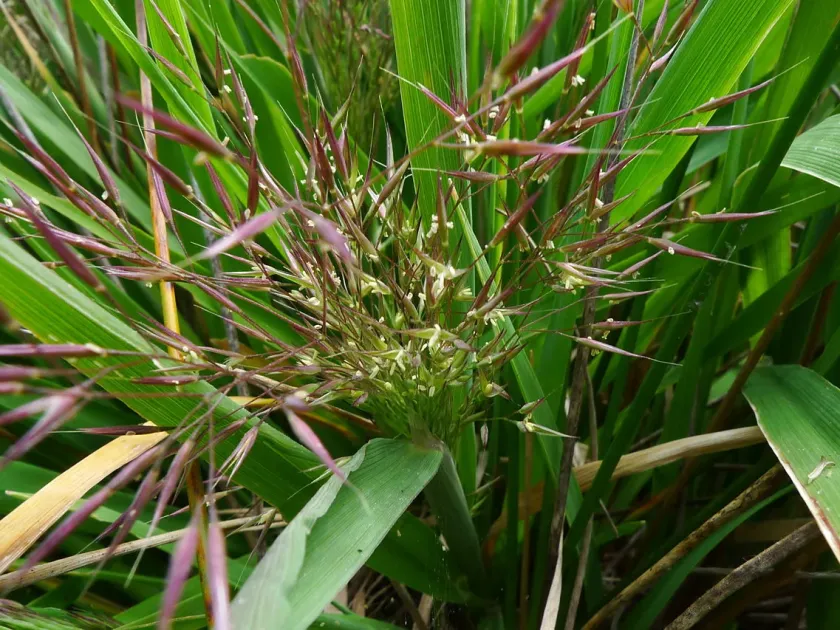
Description
Growing requirements
Billardieri bentgrass (Agrostis billardieri) is a perennial grass species belonging to the Poaceae family. It is native to the Australian region, where it naturally colonizes a variety of landscapes from coastal dunes to inland plains.
The plant demonstrates significant tolerance to varying soil textures, including sandy and rocky substrates. While it prefers moist environments, it possesses a notable ability to withstand periods of low water availability.
Botanically, this species is characterized by its tufted habit and fine foliage. Its root system is moderately deep, allowing it to efficiently stabilize soils, which makes it an excellent choice for erosion control projects.
Sunlight exposure is essential for the healthy growth and seed production of Agrostis billardieri. Under optimal conditions, the plant can create a dense carpet that outcompetes many opportunistic weeds.
In terms of agricultural management, the species is often integrated into seed mixtures for pasture improvement, providing stable forage that can withstand grazing pressure throughout the growing season.
Main diseases and pests
Billardieri bentgrass is susceptible to various fungal diseases, particularly under conditions of poor drainage or high humidity. Rust and leaf spot infections are the most common pathological threats to the biomass quality.
Insects such as grass aphids and larvae of lepidoptera may cause sporadic damage to the foliage. Monitoring is necessary during the vegetative phase to ensure that infestation levels remain below economic thresholds.
Preventive measures include maintaining adequate drainage in the fields and avoiding over-fertilization with nitrogen, which can lead to succulent growth more attractive to pests and pathogens.
Cultural control methods involve timed grazing or mowing, which helps in removing the old biomass and reducing the favorable environment for pathogens to overwinter.
Integrated Pest Management (IPM) strategies for this grass focus on selecting resistant varieties (if available) and promoting beneficial insect populations that naturally suppress pest outbreaks in the field.