
Pararistolochia zenkeri
Pararistolochia zenkeri
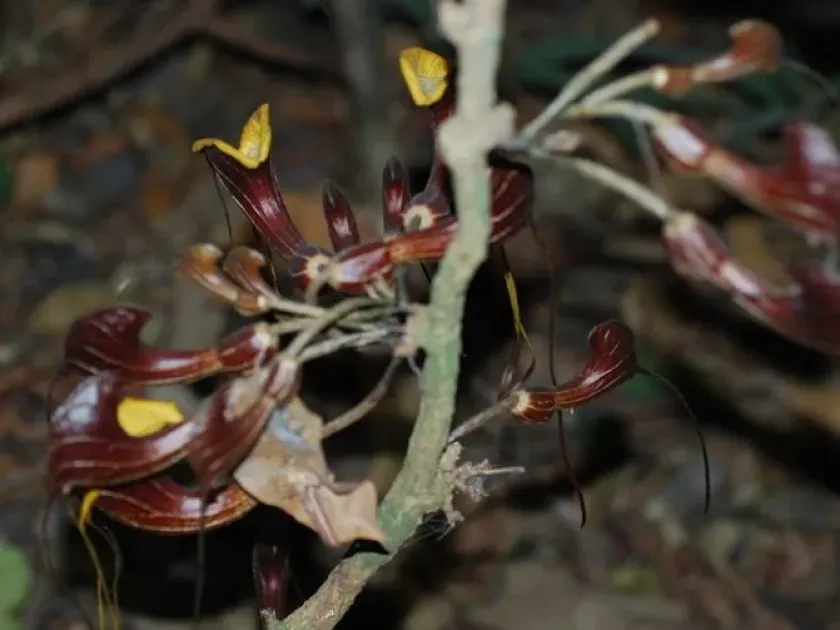
Description
Growing requirements
Pararistolochia zenkeri is a distinctive woody vine belonging to the Aristolochiaceae family. It originates from the dense tropical rainforests of Central and West Africa, where it thrives in the humid, shaded understory of the canopy.
The plant demands highly specific environmental conditions to prosper. Cultivation requires a well-drained, nutrient-rich soil mix that mimics the leaf mold of a rainforest floor. High ambient humidity, ideally above 70-80%, is essential for the health of its foliage.
Temperature management is critical as this species is strictly tropical. It prefers consistent temperatures between 24°C and 28°C. Any exposure to cold drafts or temperatures dropping significantly below 20°C can induce dormancy or cause irreparable damage to the plant tissue.
Botanically, it is known for its intricate, tubular flowers that possess specialized structures to ensure effective pollination. The plant uses its stems to climb vertical structures, displaying a vigorous vegetative growth habit once established in favorable conditions.
Regarding its utility, Pararistolochia zenkeri is primarily held in botanical garden collections for conservation and research purposes. There is emerging interest in its chemical profile, particularly the aristolochic acids, which are subjects of ongoing toxicological and pharmacological study.
Main diseases and pests
The primary threat to the wild populations of Pararistolochia zenkeri is habitat loss due to large-scale deforestation in the Congo Basin region. Fragmentation of these forests makes it difficult for the species to maintain genetic diversity.
Within controlled cultivation environments, spider mites pose the most persistent threat. These pests flourish in the warm, enclosed conditions of a greenhouse and can quickly colonize the underside of leaves, leading to chlorosis and plant decline.
Root rot, driven by Phytophthora or Pythium species, remains the most lethal ailment. This occurs when drainage is inadequate, leading to waterlogged soil, which suffocates the roots and promotes the rapid spread of fungal pathogens.
Aphids can also act as vectors for plant viruses, which can prove devastating for rare collections. Early detection and the use of integrated pest management strategies are crucial to preserving the health of these specimens.
Limited knowledge of its specific nutritional needs often leads to improper fertilization, resulting in nutrient imbalances. Over-fertilization can burn sensitive roots, while under-fertilization results in stunted growth and increased susceptibility to environmental stress.