
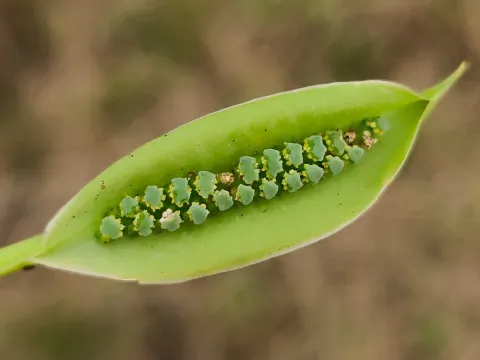
Spathicarpa
Spathicarpa
Spathicarpa is a unique genus of herbaceous perennials belonging to the Araceae family. These plants are native to the tropical regions of South America, specifically found in countries like Argentina, Paraguay, and Brazil. In their natural habitat, they typically occupy moist, shaded environments near riverbanks or within dense forests.
What the section contains

Spathicarpa
To successfully cultivate this crop, one must ensure consistently warm temperatures, avoiding any risk of soil frost. The optimal temperature range for development is between +22 and +28 degrees Celsius. The plant is particularly susceptible to sudden fluctuations in temperature, which can stress the growth process.
Soil requirements for Spathicarpa emphasize high moisture retention paired with excellent drainage capabilities. Loose, humus-rich soils with a neutral to slightly acidic pH are considered ideal. Waterlogging is a significant threat, as it quickly leads to root rot and the potential loss of the entire specimen.
Lighting should be bright but diffused; direct midday sun can easily scorch the foliage. Spathicarpa is naturally shade-tolerant, making it a suitable candidate for indoor environments or greenhouses where natural light intensity is regulated or partially blocked by canopy structures.
In enclosed cultivation, maintaining a high relative humidity level—ideally between 70% and 80%—is crucial for the plant's health. Regular misting or the use of automated humidification systems will ensure the leaves maintain their turgor and prevent the margins from turning brown or brittle.