
Trochiscanthes nodiflora
Trochiscanthes nodiflora
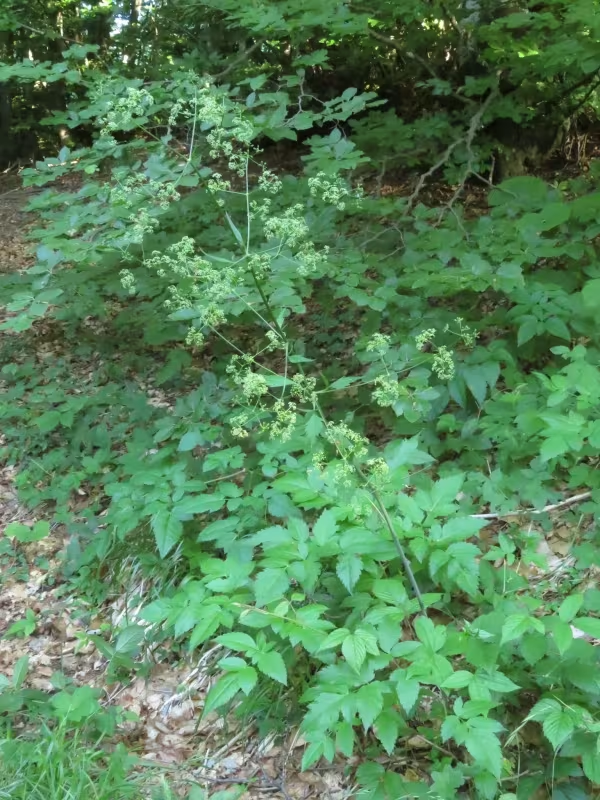
Description
Growing requirements
Trochiscanthes nodiflora is a perennial herbaceous plant belonging to the Apiaceae family, characterized by its distinct node-like stem structure.
Native to mountain regions in Europe, this species naturally thrives in humid environments, often found near streams and within shaded forest edges.
For successful cultivation, the soil must be nutrient-rich, well-draining, and consistently moist, mimicking the natural humus-rich mountain habitats.
The plant prefers cool to moderate climates and is notably sensitive to heat stress and prolonged direct sunlight, which can inhibit its development.
Agronomic management focuses primarily on irrigation strategies to maintain a stable level of soil moisture throughout the vegetative cycle.
Main diseases and pests
The main phytosanitary risks involve root rot pathogens, which are favored by poorly drained soils or conditions with excessive water accumulation.
Insect pests common to the Apiaceae family, such as aphids or various larvae, can occasionally infest the foliage, impacting plant vigor.
Implementing proper spacing between plants is crucial to ensure adequate airflow and reduce the humidity levels that often trigger fungal infections.
Regular field scouting is recommended to identify early signs of pathogens and to implement targeted control measures if thresholds are exceeded.
Disease management should prioritize cultural practices, including crop rotation and the removal of infected debris, to maintain long-term crop health.