
Sphallerocarpus gracilis
Sphallerocarpus gracilis
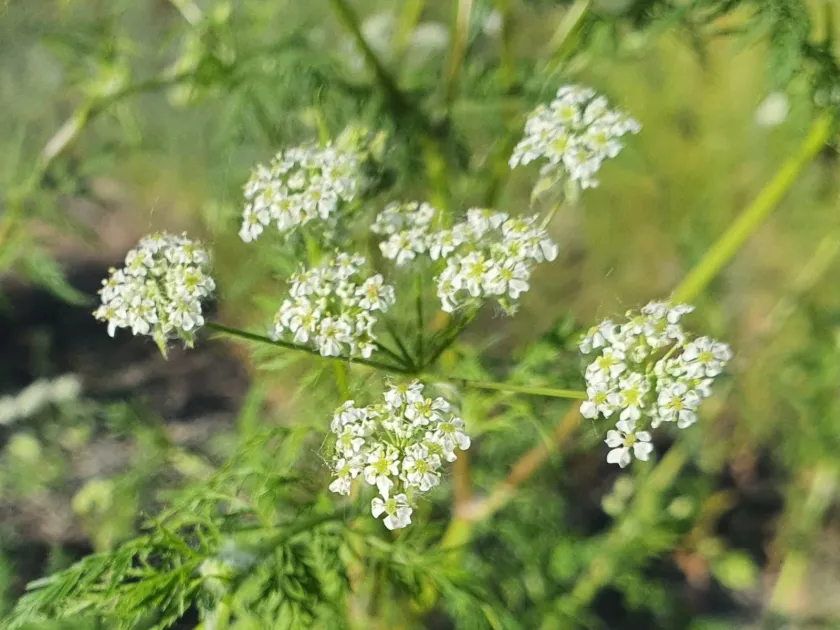
Description
Growing requirements
Sphallerocarpus gracilis is a perennial herbaceous plant belonging to the Apiaceae family. It is native to Eastern Asia, where it grows in meadows, hillsides, and river banks. The species is recognized for its fine, pinnate leaves and umbrella-shaped inflorescences.
The plant thrives in well-drained, nutrient-rich soils. It prefers loamy or sandy loam textures with a neutral pH level. Proper site selection should ensure full sun exposure, which is essential for the development of its aromatic profile and overall vigor.
In terms of climate, it is highly adaptable to temperate zones, demonstrating significant frost resistance. It is well-suited for regions with cold winters, provided there is adequate drainage to prevent waterlogging during the spring thaw.
Agricultural cultivation requires consistent soil moisture during the initial growth phase, but the plant becomes drought-tolerant once established. Mulching is recommended to maintain soil structure and suppress competitive weed growth.
The main commercial value of this plant lies in its therapeutic properties. It is often harvested for its roots and aerial parts, which contain essential oils and phytochemicals valued in traditional herbal medicine practices.
Main diseases and pests
Fungal diseases are the primary threat, specifically powdery mildew, which can significantly damage foliage if humidity levels are not controlled. Improving air circulation around the plants is an effective management strategy.
Root rot represents a critical danger, usually caused by poor soil drainage. Growers must ensure that the plots are not prone to standing water, as this species is sensitive to hypoxia in the root zone.
Insect pests such as aphids and umbellifer-specific bugs are frequently encountered. These pests can weaken the plant and serve as vectors for various plant viruses, necessitating diligent monitoring throughout the season.
Integrated Pest Management (IPM) is the preferred approach for this crop. Encouraging natural predators, such as ladybugs and lacewings, helps to maintain pest populations below the economic injury level.
Cultural practices, including proper plant spacing and strict sanitation of the cultivation area, significantly reduce the incidence of both diseases and pest infestations without the need for intensive chemical use.