
Prionosciadium thapsoides
Prionosciadium thapsoides
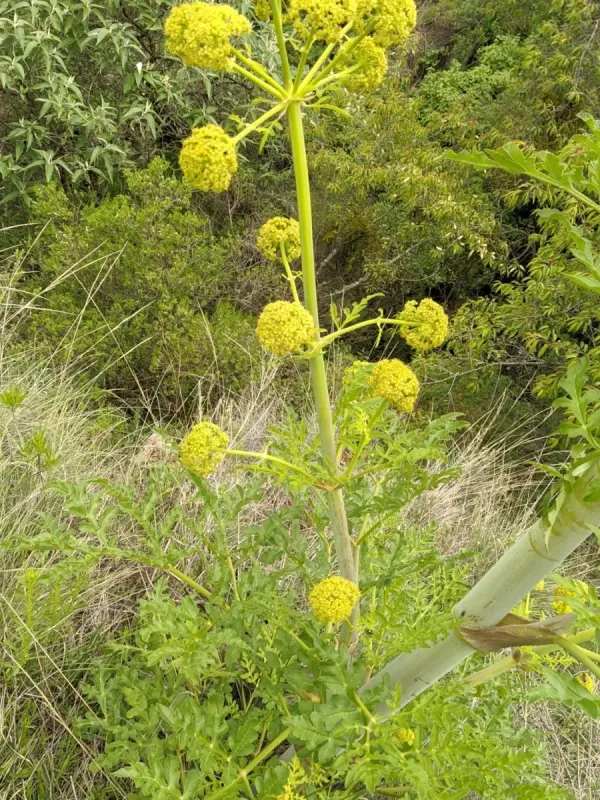
Description
Sowing dates
Sowing of this crop should ideally occur in the autumn to allow for natural stratification, or in the spring after a cold stratification period of 30–60 days.
The optimal soil temperature for germination is between 10 and 15 degrees Celsius, which promotes uniform seedling emergence in either protected or open ground.
Seed depth should not exceed 1–2 centimeters, as the small seeds require light exposure to properly trigger their physiological growth mechanisms.
Row spacing during large-scale cultivation should be maintained between 40 and 60 centimeters to ensure adequate aeration and facilitate easier field maintenance.
Using temporary film covers can help maintain the required soil moisture levels, which significantly accelerates the germination of seeds in the early stages.
Growing requirements
Prionosciadium thapsoides belongs to the Apiaceae family and favors well-drained, sandy loam or light loamy soils with a neutral pH level.
The crop is highly light-demanding, requiring open and sunny conditions to develop a robust root system and reach its full vegetative potential.
While the plant exhibits moderate drought resistance, consistent watering is essential during the active growing season, especially in high-temperature regions.
Originating from mountainous regions in Mexico, the plant prefers cooler night temperatures, which are critical for maintaining its metabolic and physiological balance.
Soil should be enriched with organic matter, such as compost or well-rotted manure, to support soil biological activity and provide essential nutrients for healthy growth.
Yield
The overall yield of biomass and seeds depends heavily on maintaining consistent moisture levels and ensuring the plants receive optimal solar intensity throughout the season.
With proper care, the plant forms a large rosette of basal leaves, which serve as the primary target for pharmacological use or aromatherapeutic applications.
Consistent production output is achieved through regular weeding and timely application of balanced fertilizers containing nitrogen, phosphorus, and potassium.
Maximum accumulation of active compounds within the roots typically occurs in the second year of cultivation, which is a key timing factor for harvesting.
Commercial growers must be mindful of self-seeding, which can redistribute energy away from the target organs if not properly managed during the flowering phase.
Main diseases and pests
The primary threats to this crop include fungal root diseases, which are often exacerbated by waterlogging and poor soil drainage conditions.
Pests such as aphids and spider mites can attack the foliage during periods of extreme heat, requiring prompt intervention with appropriate insecticides.
Powdery mildew may develop if there are significant temperature fluctuations between day and night, necessitating preventative fungicide treatments.
Root rot is among the most damaging issues, making crop rotation essential to avoid planting on the same site more than once every four years.
Slugs and snails pose a threat to young seedlings during the damp spring season, often requiring physical barriers to protect the young plants.
Harvesting
Harvesting of the green biomass should take place before the onset of reproductive development to ensure the highest concentration of essential oils in the tissue.
Root harvesting is performed at the end of the second growing season, when the plant has finished accumulating reserves, usually during the second half of autumn.
Post-harvest, the roots are cleaned of soil, washed with running water, and dried in well-ventilated areas at temperatures not exceeding 40 degrees Celsius.
Seeds are harvested once the umbels darken; they should be cut along with a portion of the stem and allowed to finish ripening in a shaded area.
Proper drying is the key to maintaining long-term quality and preventing damage from mold or bacterial growth, ensuring a shelf-stable final product.