
Pimpinella titanophila
Pimpinella titanophila
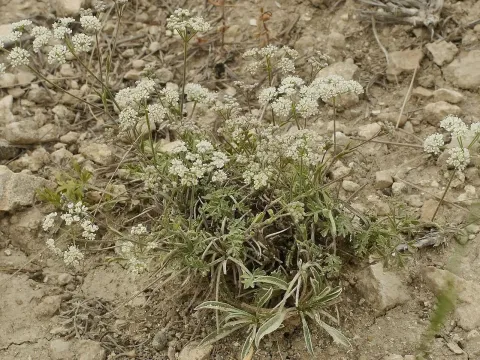
Pimpinella titanophila is a perennial herbaceous plant belonging to the Apiaceae (Umbelliferae) family. It is a rare botanical species characterized by its specific ecological adaptation to calcareous soils.
What the section contains
Pimpinella titanophila
The plant strictly requires alkaline, well-drained soil rich in carbonates. Its natural habitat is typically rocky slopes or limestone outcrops where the soil profile is shallow and nutrient-poor.
Sunlight exposure is essential for the growth and development of this species. It thrives in open areas with high intensity of light, which facilitates the accumulation of essential oils within the tissues.
Regarding climate, the plant exhibits remarkable drought tolerance. It is adapted to regions with distinct temperature fluctuations and low humidity levels, which must be replicated in cultivation.
Agronomic management must prioritize soil structure. Incorporating crushed limestone and gravel is necessary to prevent compaction and ensure the alkalinity required for metabolic functions.
The yield of Pimpinella titanophila is currently considered low for large-scale agricultural purposes, as the plant has not been fully domesticated for high-intensity cropping.
Its primary economic value lies in its chemical composition, which is sought after for small-scale pharmaceutical and aromatic research projects focusing on specific volatile organic compounds.
Harvesting biomass on a commercial scale is challenging due to the slow growth rate and the precise timing required to capture the peak concentration of active ingredients.
Future improvements in yield depend on systematic breeding programs to select phenotypes that show increased robustness and uniform maturation of the umbels.
Until standardized cultivation protocols are established, production remains largely artisanal, focused on high-value niche market extracts rather than bulk volumes.
Root rot caused by stagnant moisture is the primary threat to Pimpinella titanophila. High soil humidity is incompatible with the biological needs of this calciphilic species.
Insect pests, particularly aphids and larvae of specialized umbelliferous moths, can severely compromise the health of the flowers and developing seeds.
Weed infestation is a critical threat during the seedling stage, as the plant grows very slowly and can be easily outcompeted for light and nutrients by invasive species.
Improper fertilization, especially the excessive use of nitrogen, weakens the plant's structural integrity and makes it more susceptible to environmental stress and pathogens.
Integrated pest management should focus on maintaining a dry, well-aerated microclimate to prevent the onset of fungal diseases which are the most common cause of crop loss.