
Sweet cicely
Myrrhis odorata (L.) Scop.
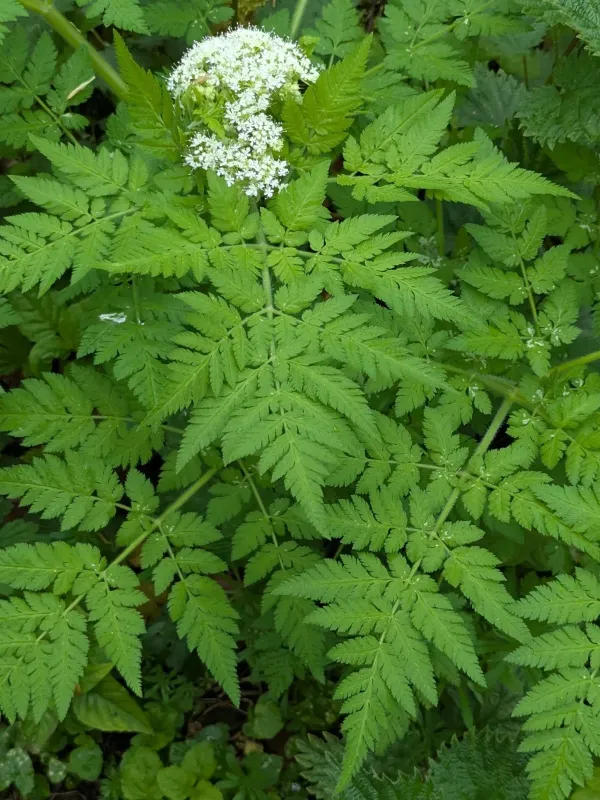
Description
Sowing dates
Sweet cicely seeds have low viability after storage, making autumn sowing directly into the soil the most effective method. Natural cold stratification over the winter ensures high germination rates in the spring.
If spring sowing is preferred, seeds must undergo cold stratification at 2–5 degrees Celsius for 6–8 weeks. Without this treatment, the seeds may remain dormant or fail to germinate entirely.
Plant seeds at a depth of 1–2 centimeters, as they require a small amount of light to trigger germination. Covering the sowing site with a light mulch helps maintain necessary moisture levels during the sensitive germination phase.
Recommended planting distance is 40–50 centimeters between plants in a row. Providing about 60 centimeters between rows ensures adequate airflow and space for mature plants to develop their large foliage.
Vegetative propagation via root division in early spring or autumn is a viable alternative. This method allows growers to establish mature, productive plants significantly faster than growing from seed.
Growing requirements
Sweet cicely (Myrrhis odorata) is a perennial herbaceous plant belonging to the Apiaceae family, native to the mountainous regions of Europe.
The plant thrives in partial shade, as it is sensitive to intense, direct afternoon sunlight, which can cause the leaves to become coarse and lose their delicate anise-like aroma.
Optimal soil conditions include fertile, well-draining, and consistently moist soil. Heavy clay soils should be amended with organic matter and drainage materials to prevent waterlogging, which the plant cannot tolerate.
A soil pH between 6.0 and 7.0 is ideal for healthy development. Incorporating compost or well-rotted manure during site preparation will provide the necessary nutrients for vigorous vegetative growth.
It is a highly hardy species capable of surviving harsh winters in temperate climates without requiring additional protection, making it an excellent candidate for permanent garden beds.
Yield
Yield varies based on the maturity of the plant and growing conditions. In the first year, the plant focuses on root and leaf rosette development, providing limited foliage for harvest.
From the second year onwards, the plant enters a phase of rapid growth, allowing for multiple harvests of leaves throughout the season. The herb is prized for its culinary versatility.
Culinary uses involve using fresh leaves as a natural sweetener or an anise-flavored seasoning for salads, soups, stews, fish dishes, and desserts.
The roots are also edible and possess a flavor profile similar to sweet parsnip or carrot. They are best harvested in autumn from plants at least two years old for optimal texture and sweetness.
Seeds harvested in the milky stage are highly valued in confectionery and for flavoring liqueurs, thanks to their concentrated essential oil content.
Main diseases and pests
Common pests include aphids and various types of true bugs, which feed on young leaves, causing leaf curling and potential stunted growth if infestations are left unchecked.
High humidity and poor air circulation can predispose the plant to fungal infections like powdery mildew. Proper spacing is essential to mitigate this risk in dense garden environments.
Avoid excessive nitrogen fertilization, as it promotes soft, succulent growth that is more susceptible to both insect pests and fungal pathogen colonization.
Good garden hygiene, including the removal of dead plant material at the end of the season and diligent weeding, helps minimize the presence of overwintering pests and disease spores.
For pest management, prioritize biological control methods or gentle horticultural soaps, as the leaves are harvested for direct fresh consumption throughout the growing season.
Harvesting
Harvest the leaves throughout the season as needed, cutting them near the base of the rosette. Avoid removing more than one-third of the plant at once to ensure continuous regrowth.
The peak harvesting season for leaves spans from spring until late autumn. Morning harvests are recommended for the best flavor profile, as essential oil concentrations are highest before the day's heat.
Collect seeds for culinary use when the umbels turn brown but before they begin to shatter. Dry them in a well-ventilated, shaded area to preserve their aromatic qualities.
Roots should be harvested in autumn, thoroughly washed, and peeled. They can be prepared as a root vegetable or stored in a cool, dark location if used shortly after harvest.
Fresh leaves do not store well for extended periods, so it is recommended to consume them immediately after harvesting to enjoy their unique, sweet fragrance.