
Japanese wild parsley
Cryptotaenia canadensis (L.) DC.
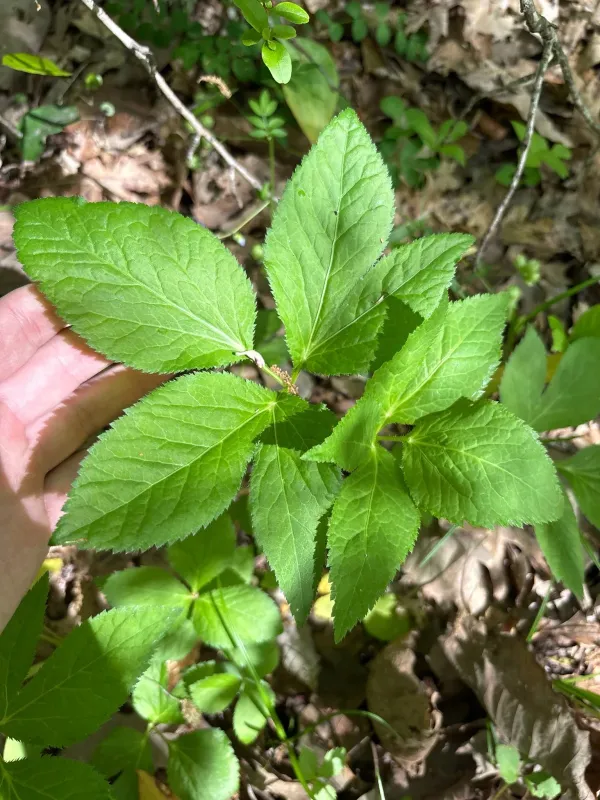
Description
Sowing dates
Japanese wild parsley (Cryptotaenia canadensis) is a shade-loving perennial member of the Apiaceae family. Seeds are best sown in late autumn or early spring to facilitate natural stratification, which is essential for uniform germination.
Seeds should be covered lightly with about 1 cm of fine soil or compost. Providing a consistent moisture level is crucial during the germination phase, which can take several weeks depending on temperature fluctuations.
For greenhouse production, starting seeds in modular trays during late winter allows for earlier spring planting. This method ensures a steady supply of fresh leaves once the outdoor temperatures become favorable for growth.
Optimal spacing is essential for plant health, typically 25–30 cm between plants. Proper spacing ensures good air circulation, which significantly reduces the risk of fungal infections in the dense foliage of the plant.
Early maintenance includes gentle weeding, as the plant competes poorly with aggressive weeds during its initial establishment phase. Regular shallow hoeing helps keep the soil surface aerated and promotes root development.
Growing requirements
This species thrives in woodland conditions, requiring partial to full shade. Direct exposure to intense afternoon sun will likely cause leaf scorch and trigger an early transition into the bolting phase, ruining the harvest quality.
High soil moisture is vital for this crop. It is highly sensitive to drought, and irrigation should be adjusted to keep the soil consistently damp but never waterlogged, as stagnant water can lead to root rot.
A humus-rich, loose, and slightly acidic soil is ideal for Japanese wild parsley. Incorporating well-rotted organic matter before planting provides the necessary nutrients and improves the water-retention capacity of the soil.
The plant is hardy in temperate regions, though severe winter cold may benefit from a layer of mulch. A protective cover of leaf litter or compost helps insulate the crown and preserves moisture during the spring thaw.
It performs best in locations that mimic forest floor conditions, where the air is cool and humid. In urban or garden settings, positioning it under the canopy of larger shrubs or trees is an excellent cultural strategy.
Yield
Yield management revolves around the frequent harvesting of leaves, which stimulates the plant to produce new growth throughout the season. With optimal care, a healthy patch can provide multiple harvests from spring through autumn.
Harvesting usually begins when the plant forms a robust rosette, roughly 60–80 days after germination. Removing the outer leaves first allows the central growing point to continue producing fresh, tender foliage.
Preventing bolting is the key to maintaining yield. As soon as a flower stalk begins to emerge, it should be removed. Redirecting energy back to the vegetative parts ensures the continued production of high-quality edible leaves.
Under intensive management, producers can achieve consistent yields of fresh greens. The plant can remain productive in the same location for several years if the soil fertility is maintained through annual top-dressing with organic matter.
The entire plant is culinary-focused: leaves, young stems, and roots are all used. Its unique flavor profile, often described as a blend of parsley, celery, and chervil, makes it a valuable specialty crop for chefs.
Main diseases and pests
The primary threats include fungal diseases like powdery mildew, particularly in humid or overcrowded conditions. Proper spacing and ensuring good airflow are the best preventative measures against these pathogens.
Pests such as aphids and spider mites can infest the young, tender foliage. These insects can be particularly problematic during dry spells, weakening the plant and damaging the aesthetic quality of the harvest.
Slugs and snails are major pests, especially during wet seasons. They can decimate young seedlings in a single night. Using physical barriers like crushed eggshells or environmentally safe slug baits can mitigate this damage.
Maintaining a strict rotation schedule is advised to prevent the buildup of soil-borne diseases common to the Apiaceae family. Avoid planting this crop where carrots, parsnips, or celery were grown the previous year.
When pest intervention is necessary, the use of organic insecticidal soaps or neem oil is recommended. Because the leaves are harvested for direct consumption, avoid the use of systemic chemical pesticides.
Harvesting
Harvesting is performed selectively using sharp scissors or a knife. Cut the individual stems near the base, taking care not to damage the central crown, which ensures the plant remains vigorous for subsequent harvests.
Early morning is the best time for harvesting, as the leaves are turgid and the essential oil content is at its peak. This practice also extends the shelf life of the harvested product significantly.
Immediately after harvest, the leaves should be chilled to remove field heat. The product is highly perishable and should ideally reach the end consumer or cold storage within 24–48 hours for optimal quality.
Roots should be harvested at the end of the second year during the autumn. They are unearthed, cleaned of soil, and can be used as a flavorful aromatic base in soups, stews, or roasted vegetable dishes.
For long-term storage, leaves can be frozen in ice cube trays or stored in airtight bags. While drying is possible, freezing better preserves the delicate volatile compounds that give the plant its characteristic aroma.