
Cachrys sicula
Cachrys sicula
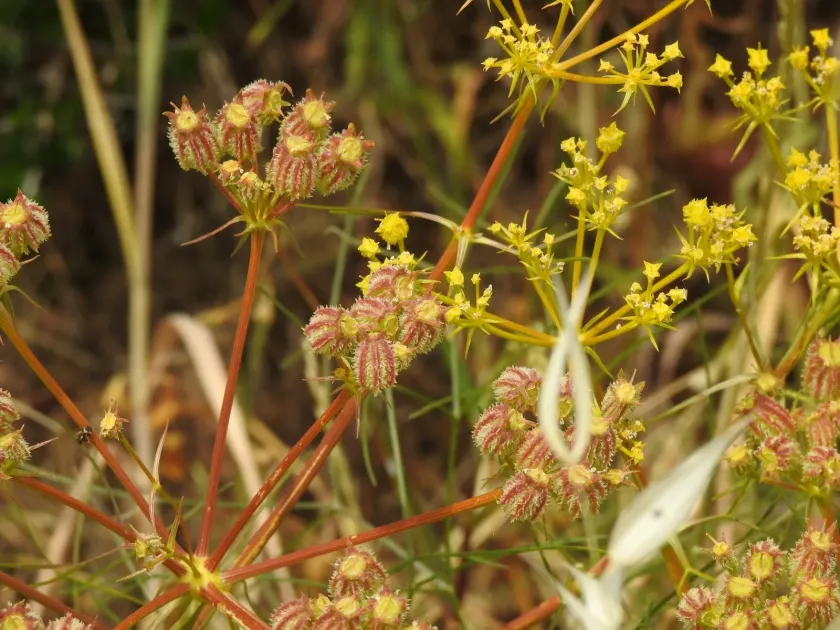
Description
Sowing dates
Cachrys sicula is a perennial species typically propagated through seeds, which require a period of natural stratification to ensure successful germination.
The optimal sowing time is late autumn or early spring, depending on the climatic zone, placing seeds at a depth of 2-3 centimeters in well-prepared soil.
Spacing between rows should be sufficiently wide, ranging from 50 to 70 centimeters, to accommodate the extensive root development typical of this species.
Seeds have a relatively low initial growth rate, making it essential to keep the nursery beds free from competing weeds during the first months of vegetation.
Standard seeding rates are determined by the intended end-use of the plantation, whether it is for biomass production or long-term seed propagation.
Growing requirements
As a member of the Apiaceae family, Cachrys sicula thrives in well-drained, calcareous soils with a neutral or slightly alkaline pH level.
The plant is highly drought-tolerant, exhibiting physiological adaptations typical of xerophytic flora found in the Mediterranean basin and surrounding regions.
Full sun exposure is a critical requirement, as light intensity directly influences the metabolic processes and the production of secondary metabolites.
While the species is hardy, it requires protection from severe frost, which can impact the vegetative potential and winter survival of young plants.
Regular aeration of the soil via cultivation is recommended to maintain optimal oxygen levels for the deep, sturdy taproot system.
Main diseases and pests
Fungal infections, particularly root rot, pose the greatest threat to Cachrys sicula when grown in soils with poor drainage or during periods of excessive rainfall.
Specific pests such as umbellifer aphids and various moth larvae can inflict damage on leaves and inflorescences, necessitating a robust pest management strategy.
Integrated pest management protocols, including the use of pheromone traps and biological predators, are preferred to minimize the chemical footprint.
Crop rotation is essential to break the life cycle of soil-borne pathogens that commonly affect species within the Apiaceae family.
Sanitation practices, including the removal of infected debris before the onset of the dormant season, significantly lower the risk of seasonal outbreaks.
Harvesting
Harvesting is usually scheduled during the peak flowering stage when the concentration of essential chemical constituents in the aerial parts is at its highest.
For seed harvesting, timing is critical to prevent yield loss due to seed shattering, which is a common characteristic of mature umbelliferous plants.
Mechanical harvesters should be calibrated to ensure a clean cut, avoiding the inclusion of soil or extraneous matter that can reduce product quality.
The harvested plant material must be processed or dried promptly under controlled temperature conditions to preserve the integrity of the bioactive compounds.
Proper post-harvest storage involves maintaining low humidity levels to ensure the long-term viability of the seeds and the quality of the dried herbal mass.