
Cachrys libanotis
Cachrys libanotis
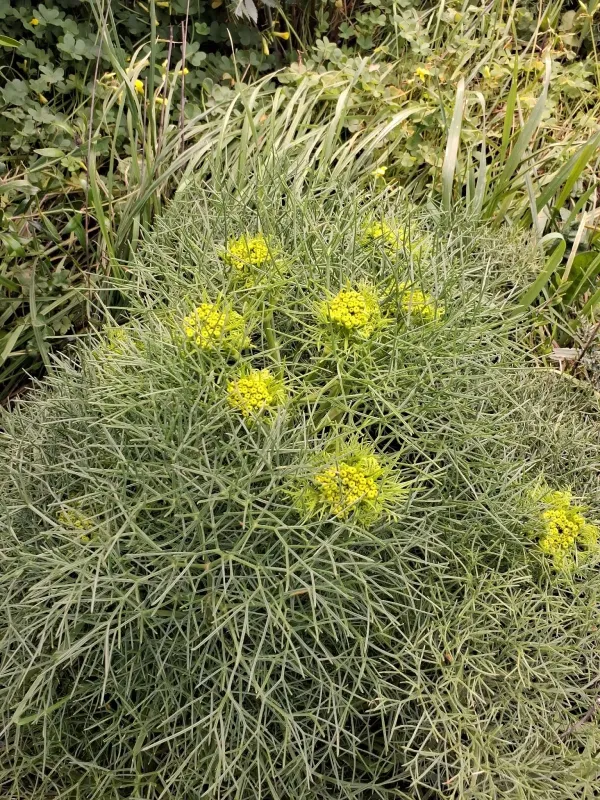
Description
Growing requirements
Cachrys libanotis is a robust perennial herb belonging to the Apiaceae family. It is recognized for its unique botanical structure and its capacity to thrive in dry, Mediterranean-like environments where other crops often fail.
The natural distribution of this plant includes the rocky slopes and arid regions of Southern Europe, reflecting its evolutionary adaptation to nutrient-poor soils and high levels of solar exposure.
For successful cultivation, it is essential to provide well-drained, porous soils. The species is highly sensitive to waterlogging, as its root system requires significant oxygen levels to prevent rot in its deep, fleshy taproots.
Agricultural practices should prioritize minimal irrigation and full sun exposure. The plant demonstrates high drought tolerance once established, making it a sustainable candidate for xeriscaping or marginal land rehabilitation.
Botanically, it features pinnate leaves and complex umbrella-shaped inflorescences. Its seeds are often investigated for their high essential oil content, which adds significant value for potential pharmaceutical or industrial applications.
Main diseases and pests
The crop is susceptible to common fungal pathogens, particularly powdery mildew, which can significantly reduce photosynthetic efficiency if environmental humidity remains high for extended periods during the growing season.
Root-feeding pests such as wireworms are considered the primary threat during the early development stages, as they can cause extensive damage to the establishing root system of young plants.
Aphid infestations are frequently observed on the inflorescences, which can distort seed development and reduce the overall quality of the harvest if not managed through timely intervention.
Integrated pest management protocols should be implemented to control for various boring insects that may target the stems of these Apiaceae members, especially in field settings.
Preventative measures include maintaining adequate spacing between individual plants to improve air circulation and implementing strict weed control to prevent the buildup of pest populations near the crop.